

Place-Royale: Where Quebec City Began
par Couvrette, Sébastien
Article disponible en français : Place-Royale à Québec, l’origine d’une ville
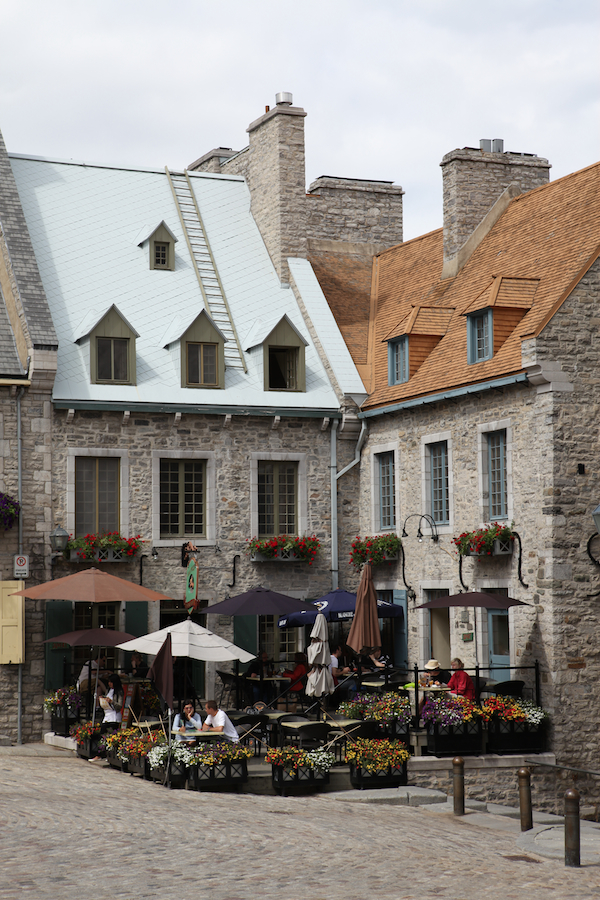
An Important Historical and Archaeological Site
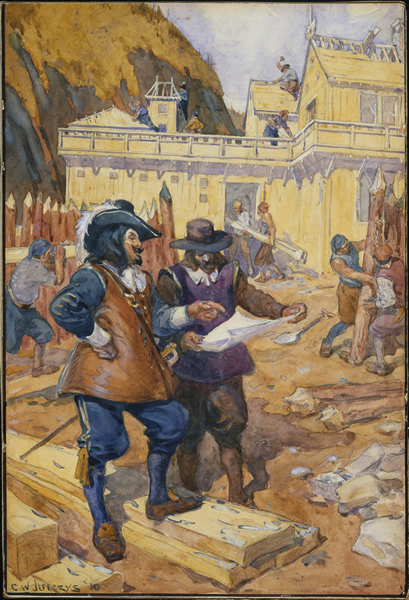
The First European Presence
A Market Square
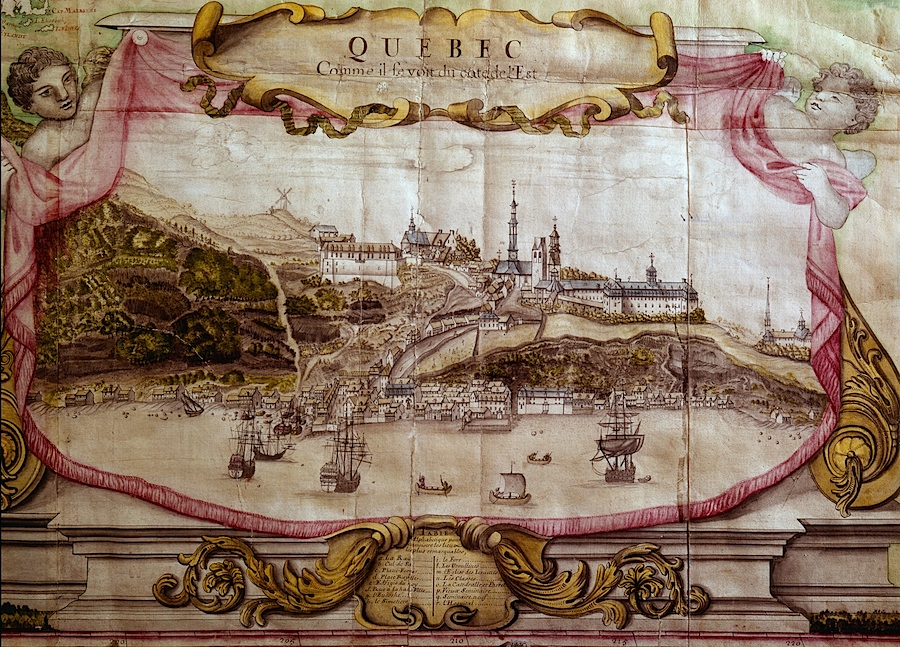
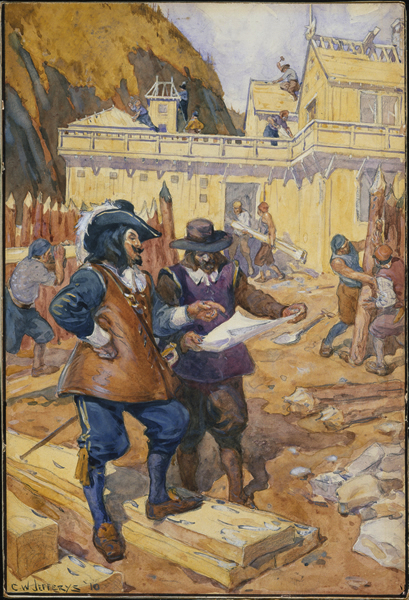
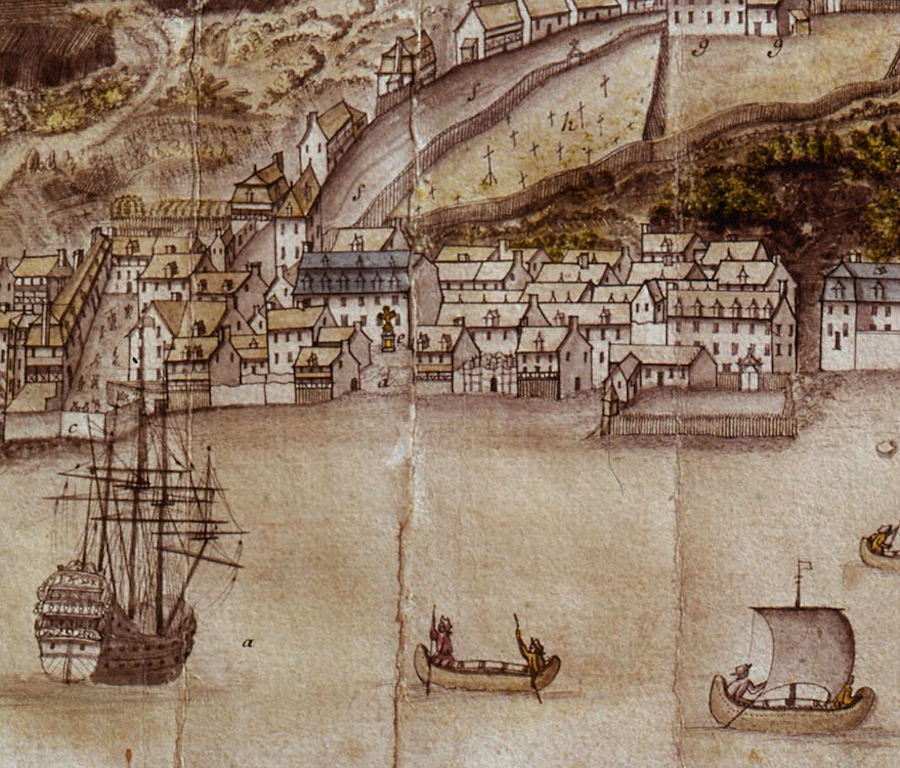
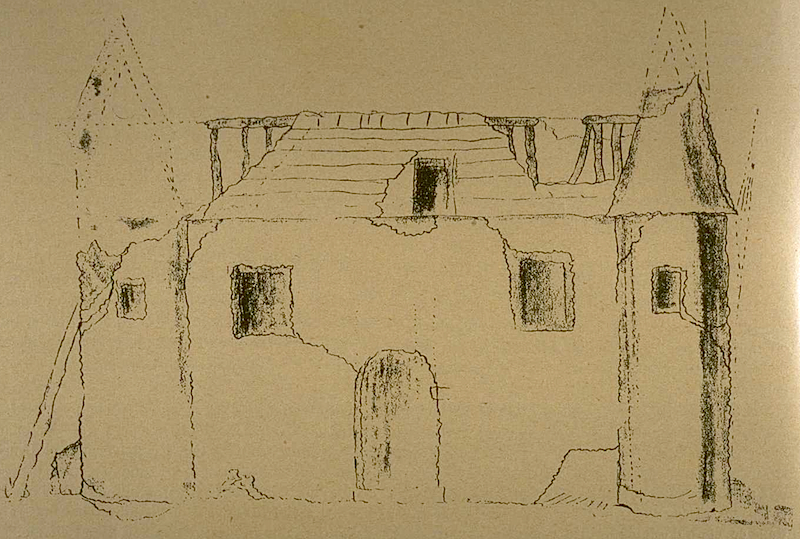
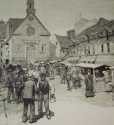
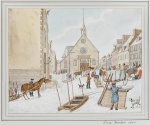
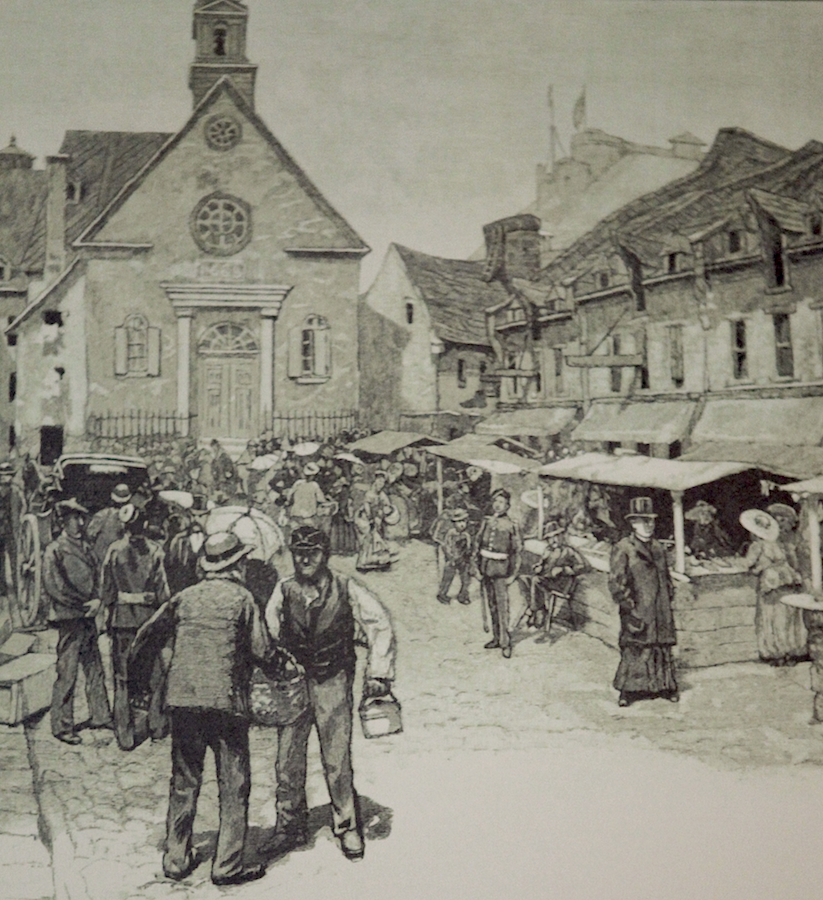
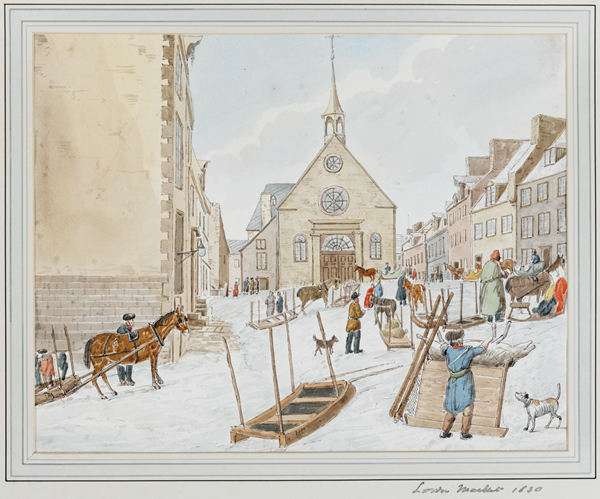
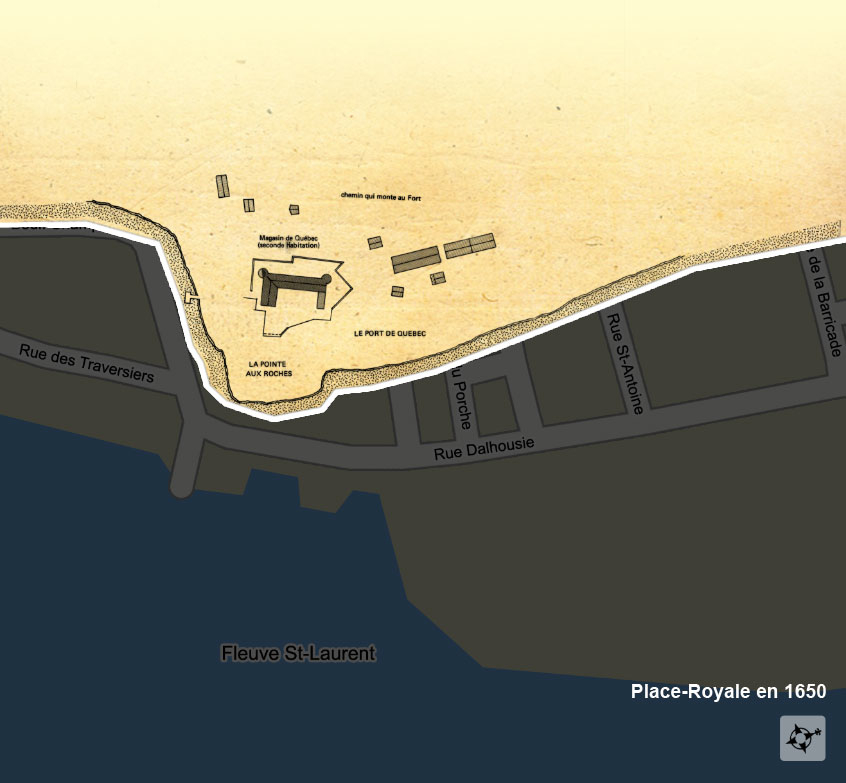
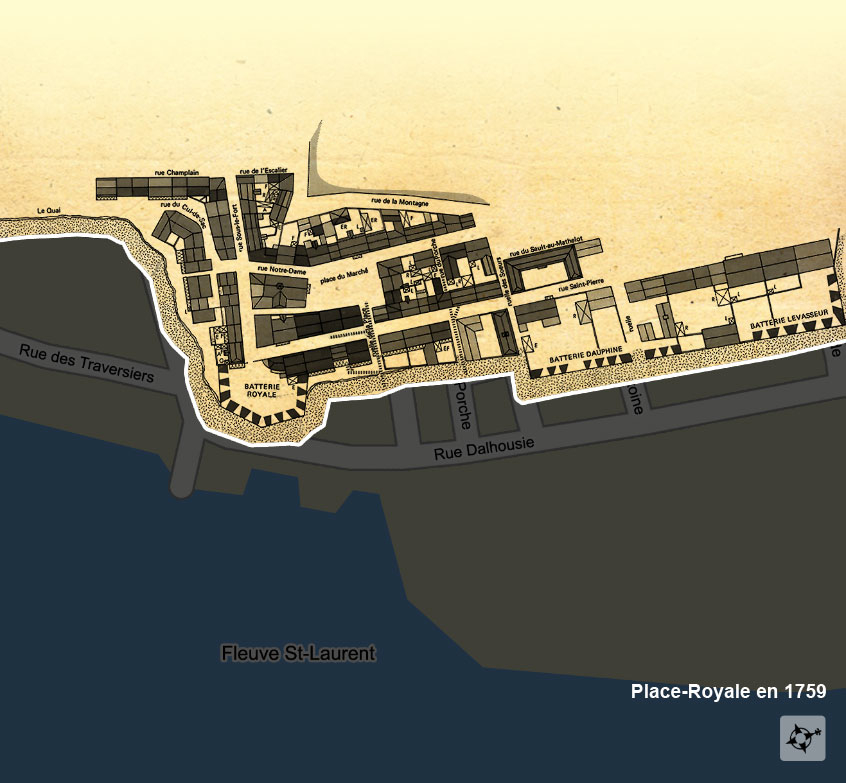
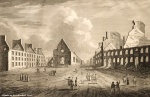
In the 1630s and 1640s, the area around Champlain’s Habitation gradually developed. Under governor Charles Huault de Montmagny, who arrived in the colony in 1636, streets and lots were laid out around Place-Royale as the settlement began to take shape. The moat surrounding the Habitation was filled in to make way for houses and commercial buildings and the Habitation itself was converted into the King’s Storehouse. Once filled in, the space in front of the storehouse became a public square. It was here that the colonial authorities posted their decrees and carried out public executions. And it was here that a market was held starting around 1640 (NOTE 6).
Beginning in the 1650s, freedom of trade, in effect since 1648, and the proximity of the port attracted many merchants and contributed to the city’s development. From a dozen-odd homes in the mid-17th century, the settlement grew rapidly, leading colonial authorities to regulate construction, implement urban planning and enact laws governing residents’ behaviour (NOTE 7). By 1680, about 300 people were living in and around Place-Royale, more than twice as many as 15 years before.
The Fire of 1682
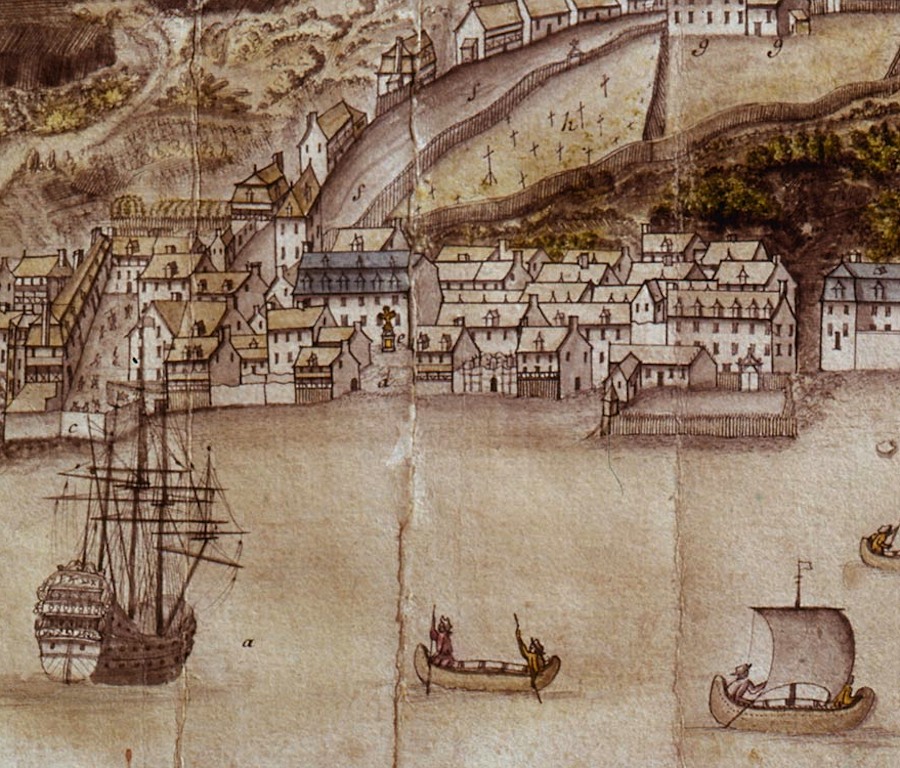
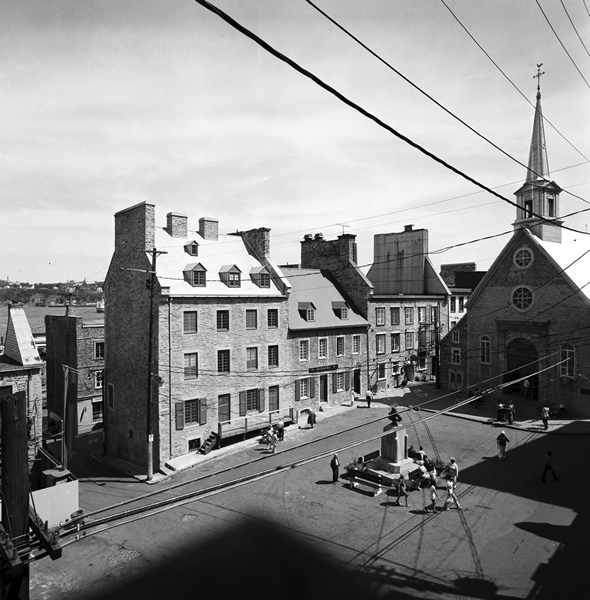
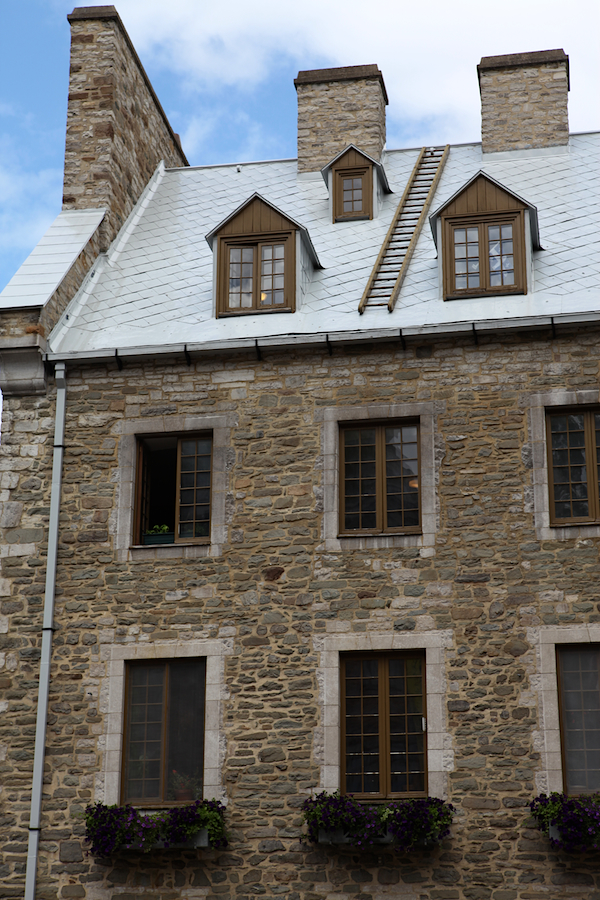
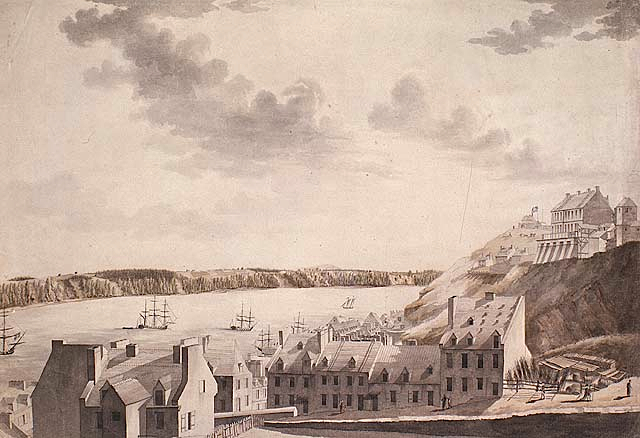
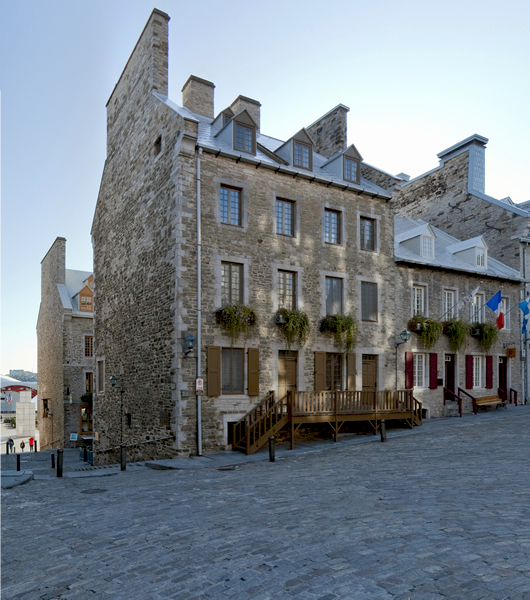
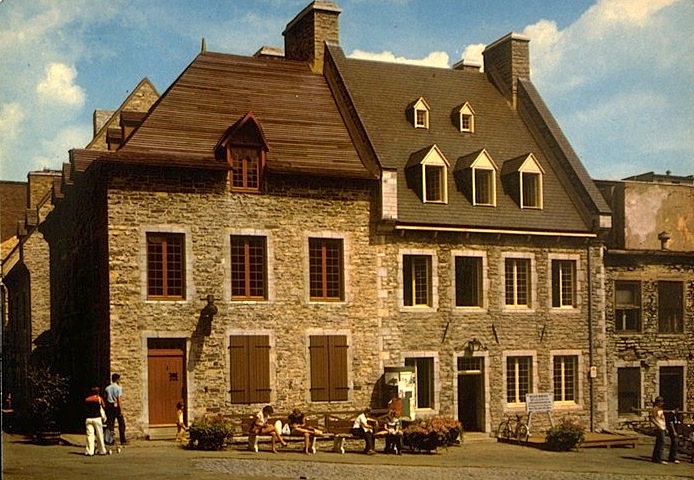
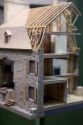
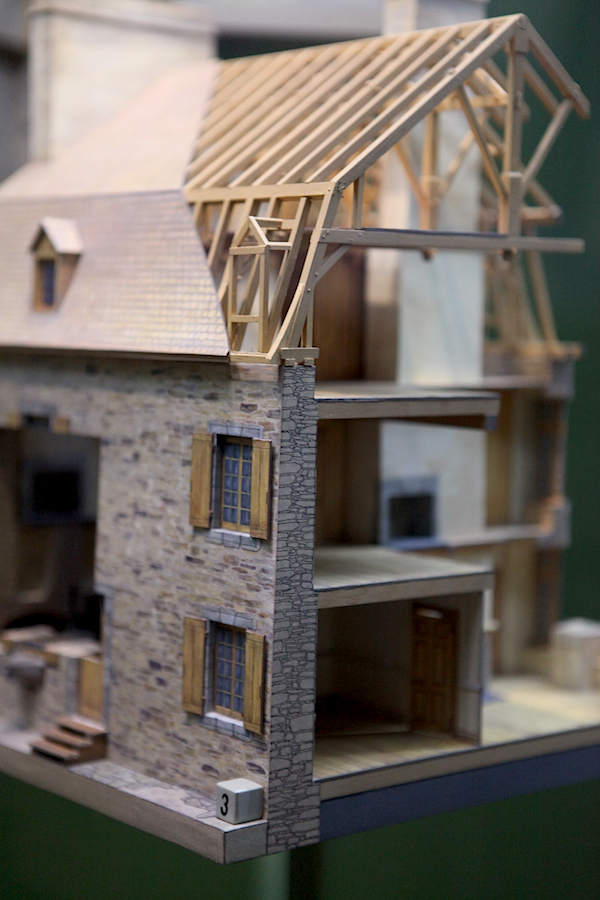
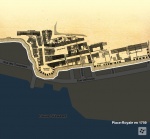
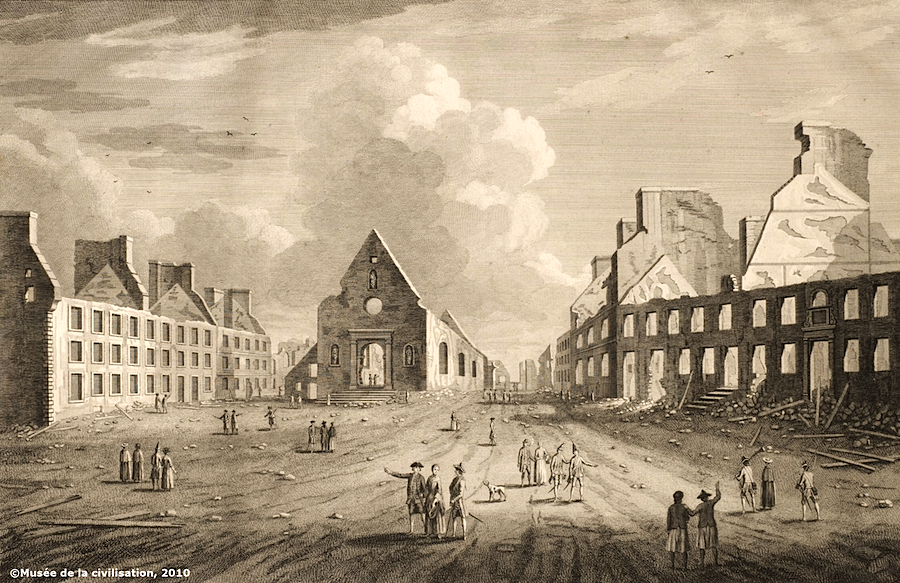
In the following decades, Place-Royale would be rebuilt in keeping with planning principles intended to prevent a tragic event like the 1682 fire. Two- and even three-story houses were built partially or completely in stone with thick firewalls rising above the roofline to prevent the spread of fire, although mansard roofs were covered with cedar planks or shingles in violation of the prohibition of those materials. From that point forward, construction in Place-Royale quickly reached its limit and the district changed little until the end of the French Regime.
Rebuilding. But in the French or the English style?
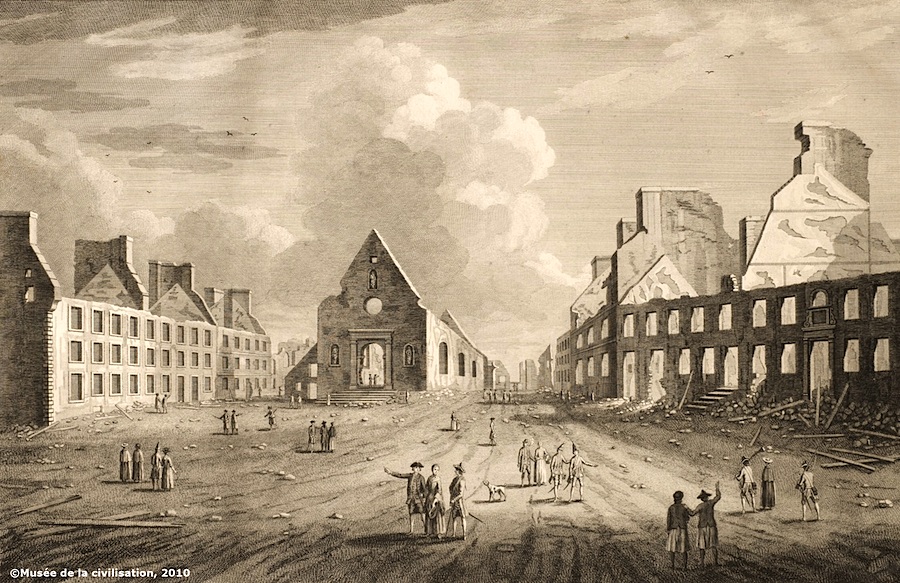
After the Conquest, Place-Royale had to be rebuilt quickly because it was an essential centre of economic activity for the entire Quebec City region. It was also home to many key players in social and economic life, such as notables and merchants. The craftsmen involved in the reconstruction efforts—master masons, carpenters, joiners, and architects— were francophones who drew from French tradition to revive the neighbourhood. So until the mid-19th century, the architectural features of the homes in Place-Royale reflected the constraints of the confined urban environment and the traditional know-how of craftsmen of French descent rather than any particular British influence.
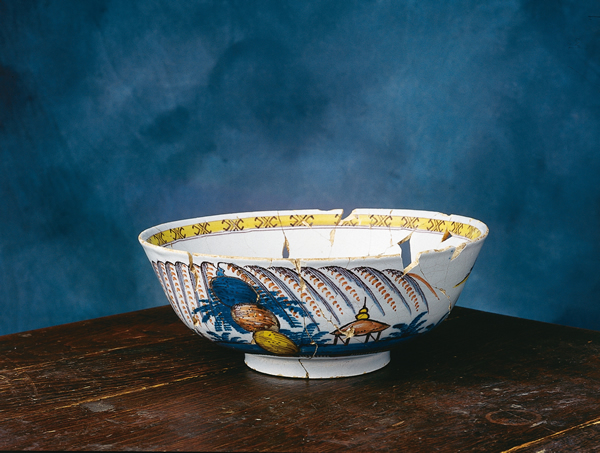
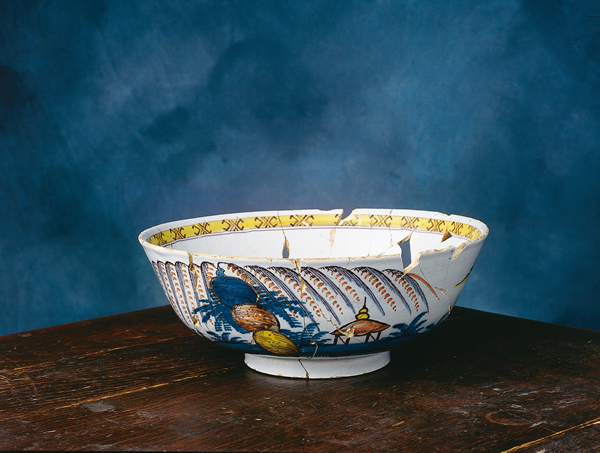
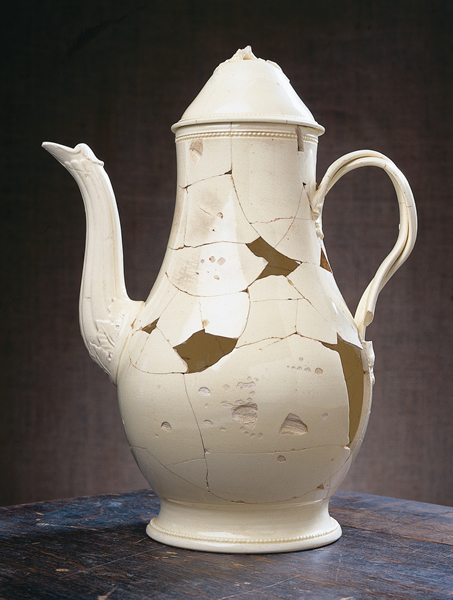
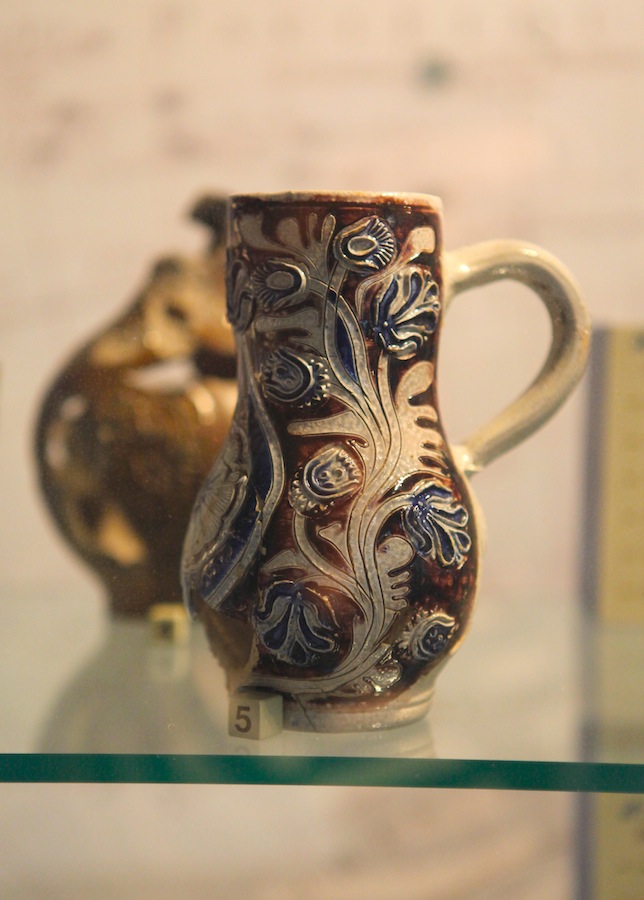
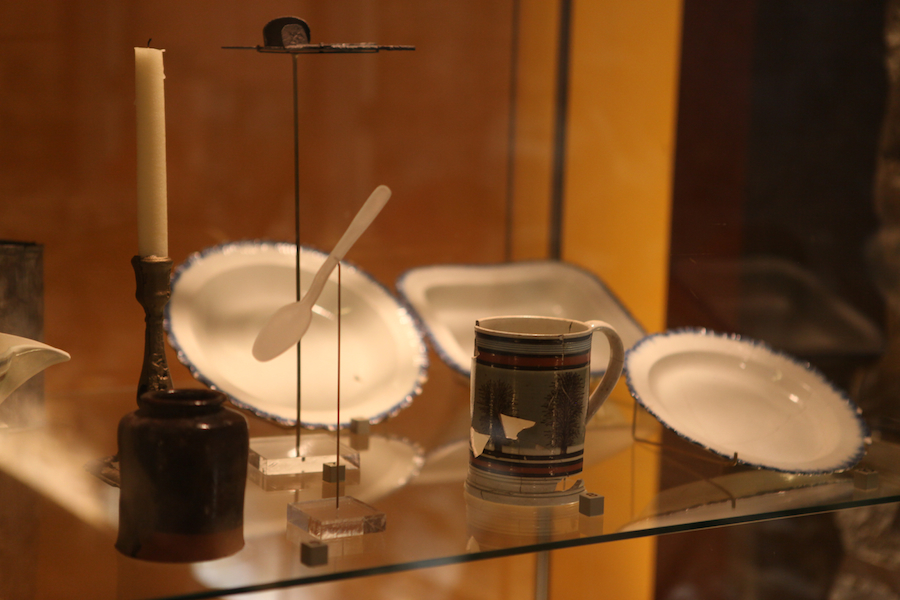
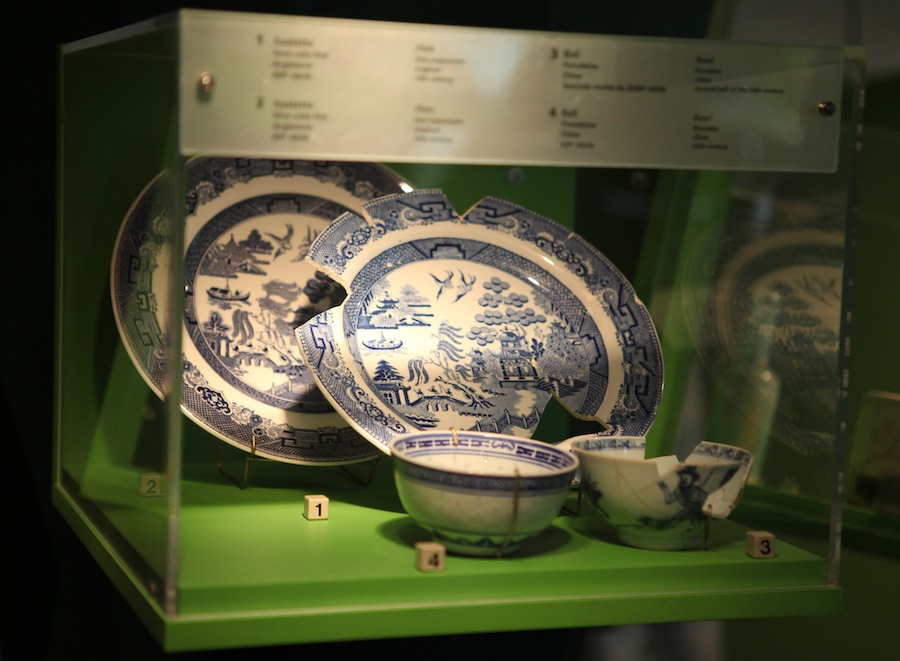
While British architecture had little influence on the appearance of Place-Royale’s buildings, British culture—spread mainly by the English merchants who outnumbered francophones in Quebec City at the turn of the 19th century—did have an impact (NOTE 10). Archaeological excavations turned up many pieces of British-made crockery, such as creamware, which was strong and relatively inexpensive; jasperware; and stone china, an imitation of Chinese porcelain. Other objects revealed typically English eating habits, such as drinking tea.
Timber-Based Trade
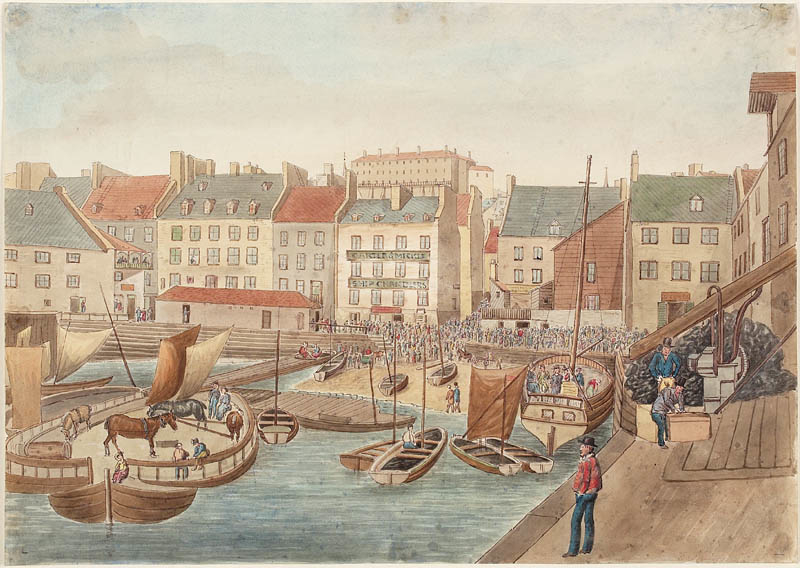
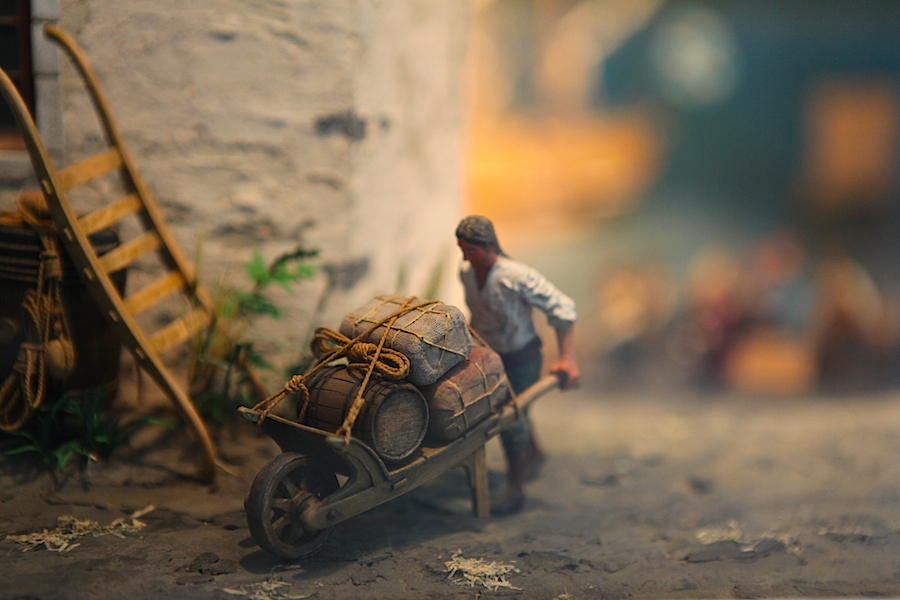
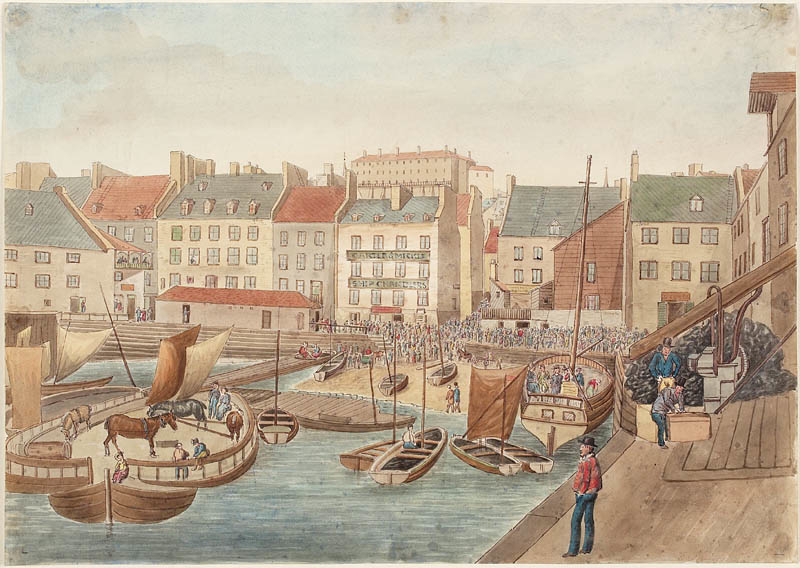
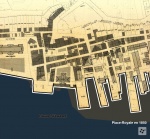
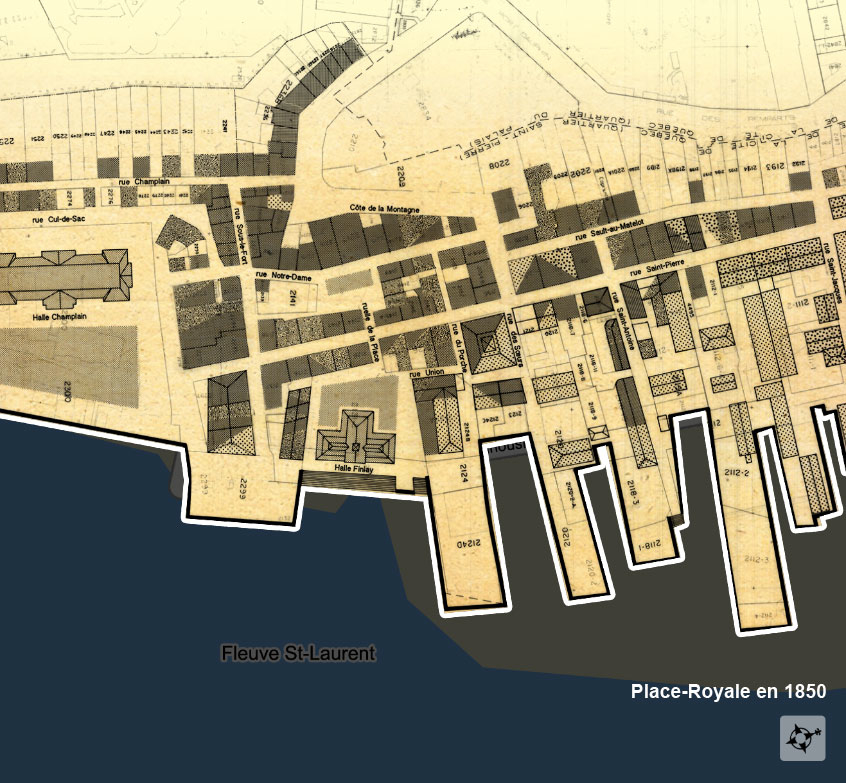
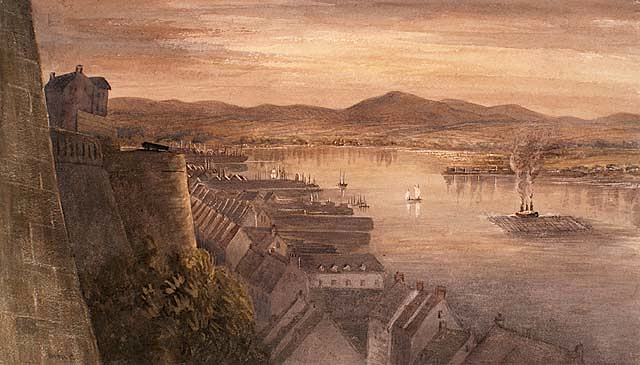
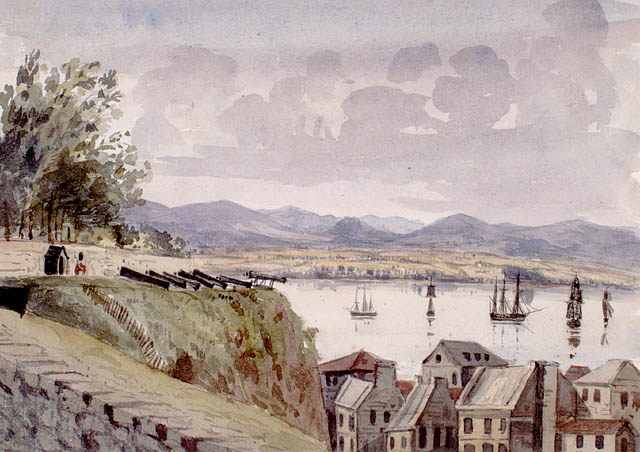
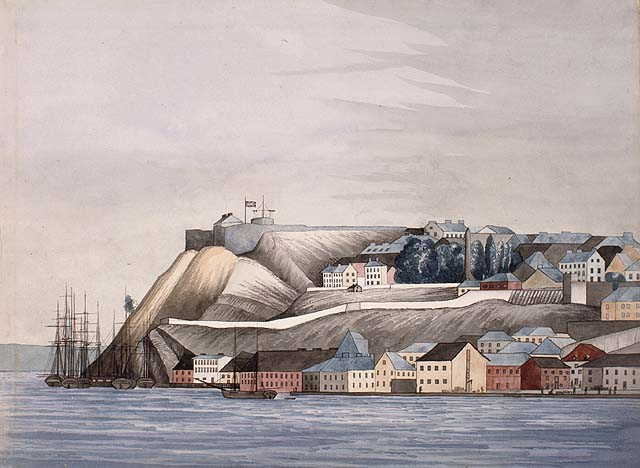
Throughout the 19th century, activities in the Port of Quebec centred on timber exports to Great Britain (NOTE 11). Due to the high demand for wood, which also drove growth of wooden shipbuilding, business was not very diversified in Quebec City, and industries and manufacturing enterprises were rare in the Place-Royale district. Merchants imported goods to provide manufactured products to the people of Quebec City (NOTE 12) and traders and merchants in Place-Royale modified the ground floors and façades of their homes to hang signs, install window displays, and set up shops. As there was little space, some property owners expanded upwards, adding extra floors and covering their buildings in brick—a typically British material—to harmonize their appearance (NOTE 13). In the late 19th century, the face of Place-Royale gradually changed, progressively losing its Ancien Régime French features.
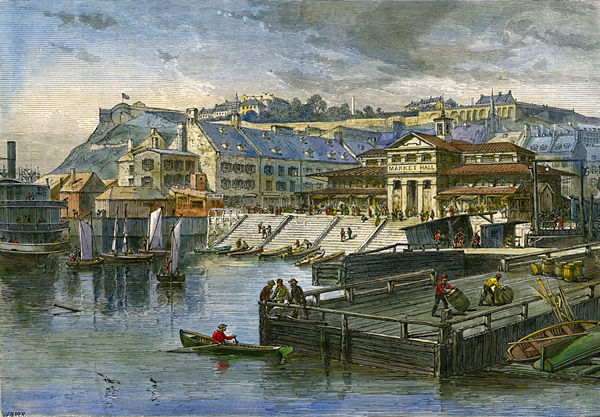
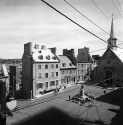
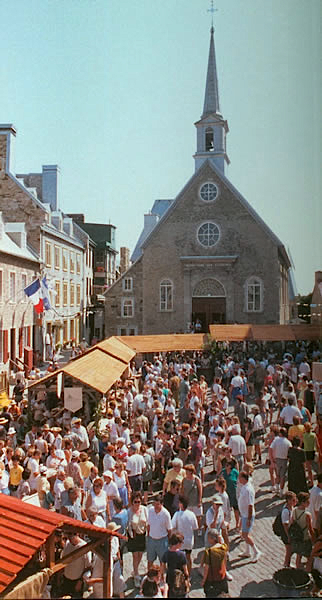
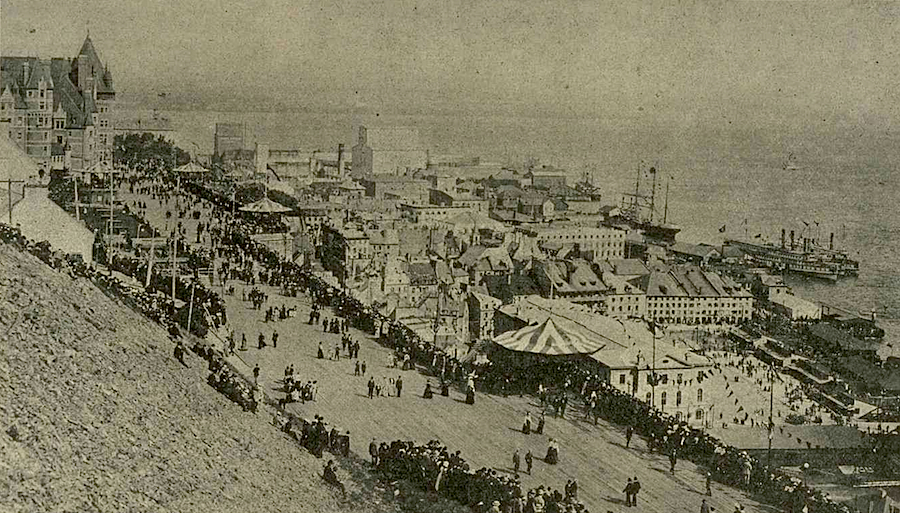
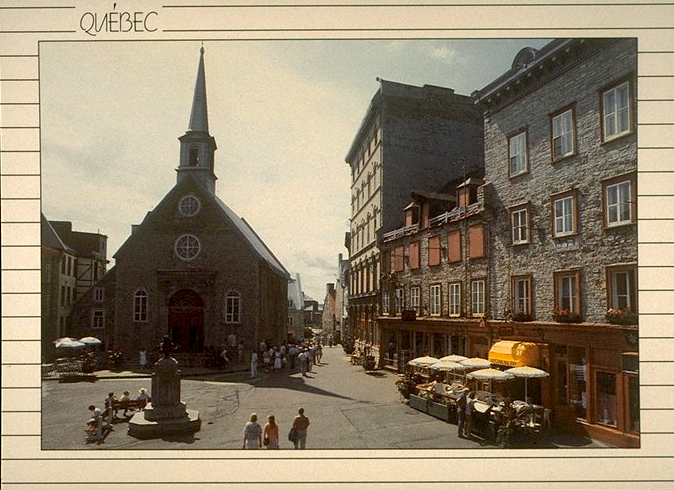
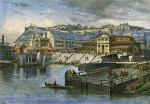
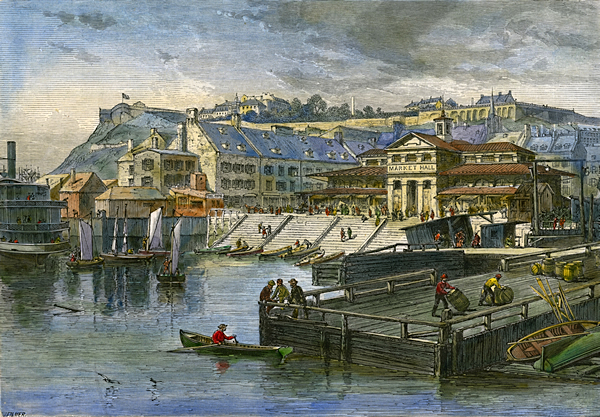
Due to competition from the Port of Montreal, the booming iron market, and the expanding railroad network, port activity in Quebec City, which was still centred around the timber trade, began to decline in the early 1860s (NOTE 14). The Place-Royale market, with its close links to the port, soon followed suit. Businesses moved out. In 1860, an imposing stone building housing the Champlain Market was opened. This covered market, built on reclaimed land in the former Cul-de-Sac port, a stone’s throw from Place-Royale, superseded once and for all what had for over 200 years been the main market in Quebec City. In 1895, a fountain was installed in the centre of Place-Royale, marking its transformation into a simple public square.
One Last Reprieve
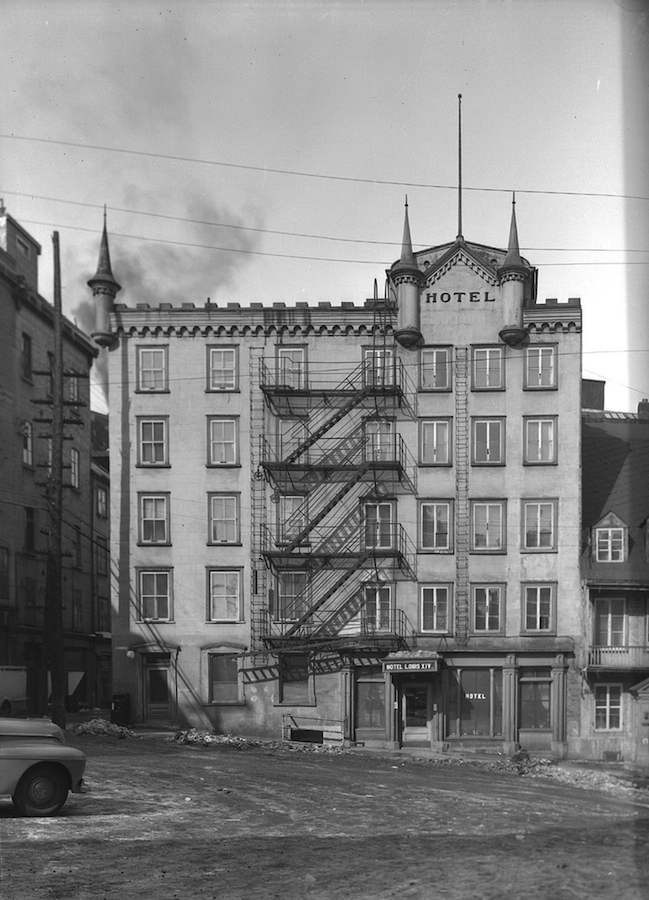
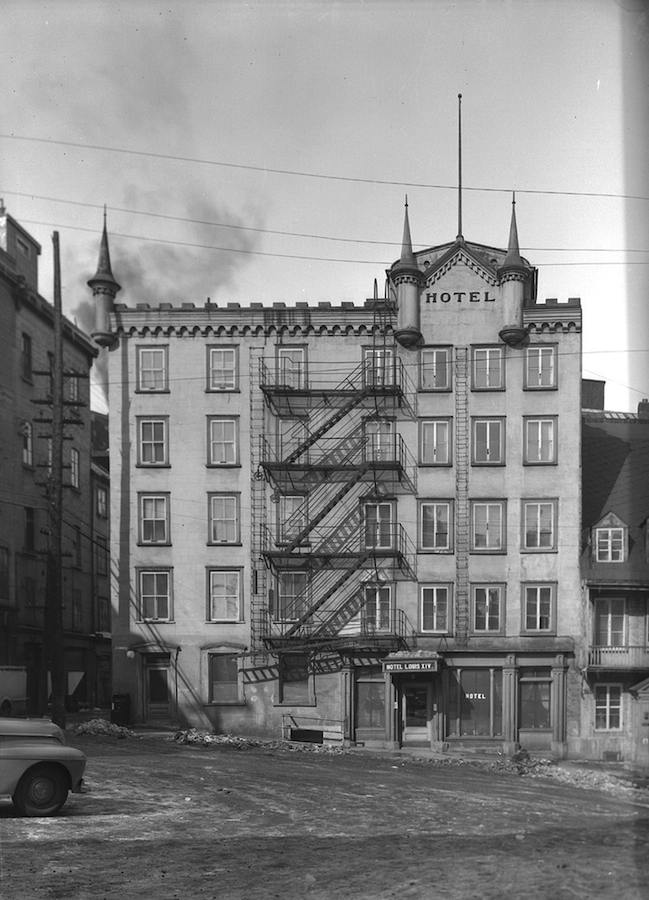
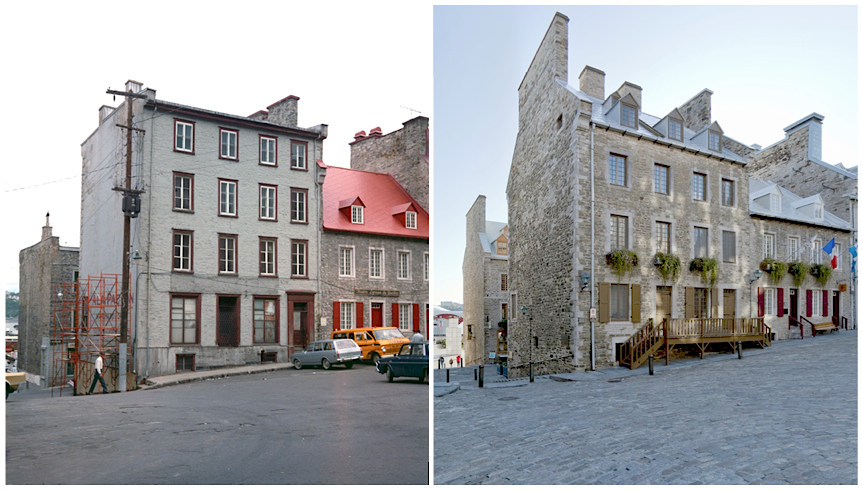
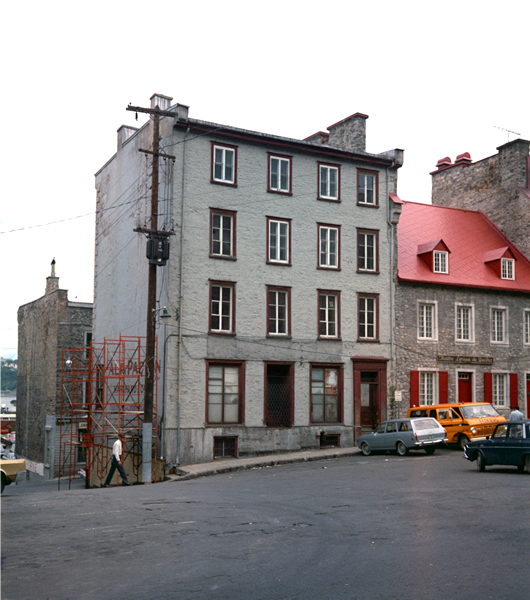
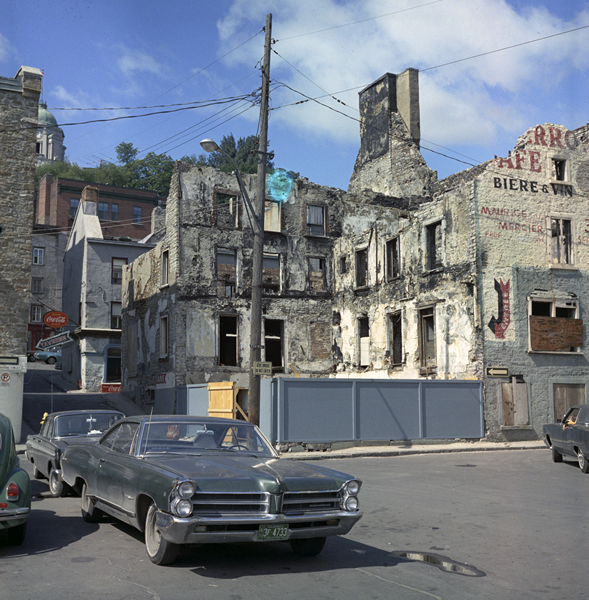
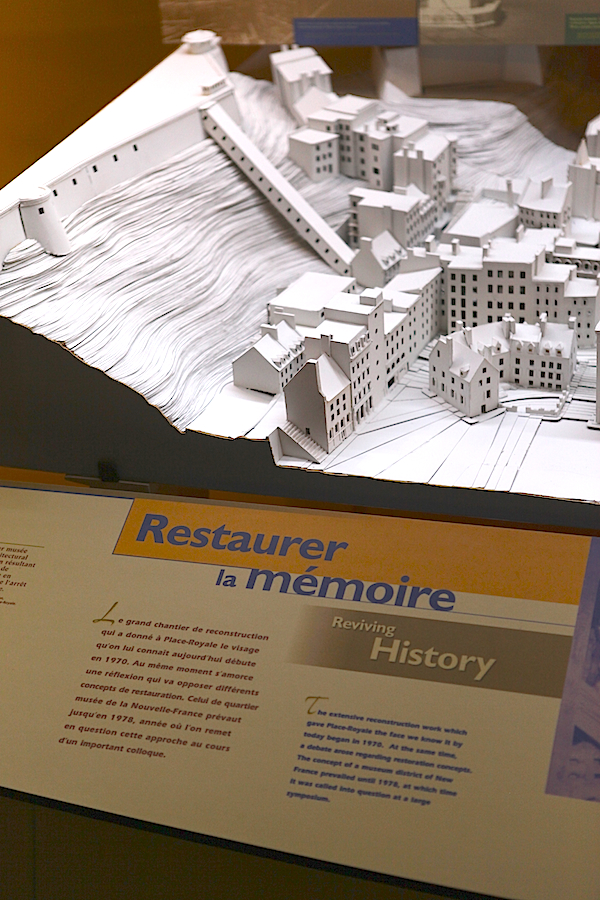
Now a neighbourhood for poor families and renters rather than homeowners, Place-Royale fell into decline, blight spread, and the district grew increasingly rundown. Between 1900 and 1950, renovations to some buildings further erased the last remaining traces of the French Regime. By the mid-20th century, Place-Royale had become so dilapidated that an ambitious revitalisation plan was developed. The plan, carried out in the 1970s and 1980s, sought to evoke Place-Royale’s French origins.
Discovering Place-Royale Today
Sébastien Couvrette
Historian, Université Laval
Additional DocumentsSome documents require an additional plugin to be consulted
Images
-
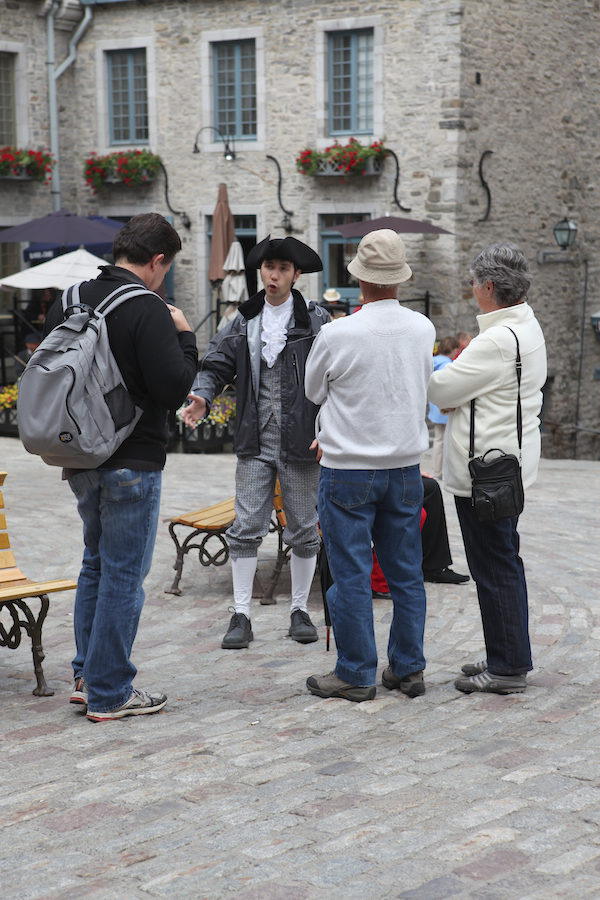
 Animation historique
à Place-Royale,... -
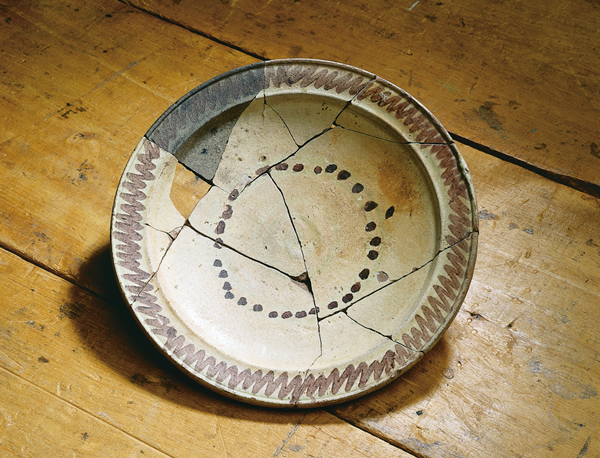
 Assiette de céramique
(Régime frança... -
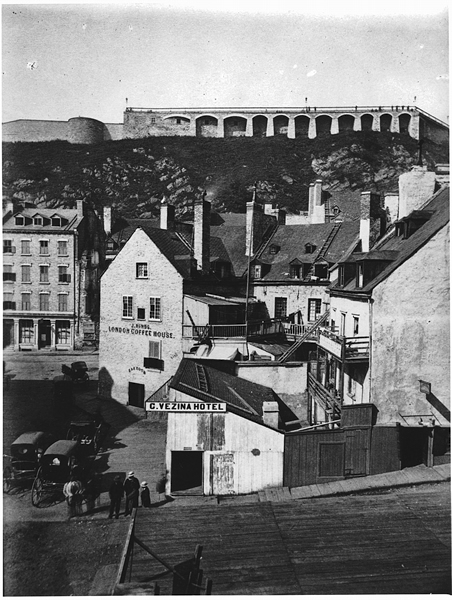
 Basse-ville de Québec
et le London C... -
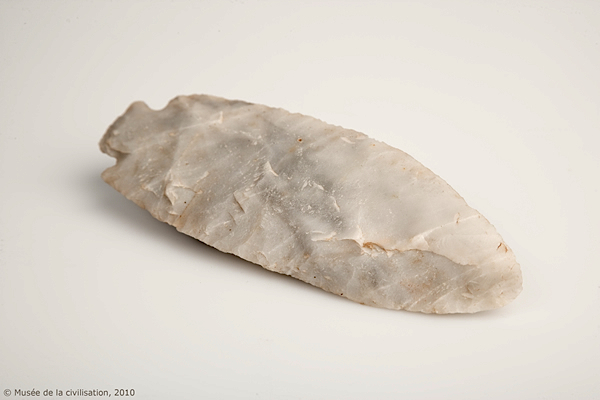
 Biface de pierre du s
ylvicole moyen ...
-
 Billes découvertes à
la Maison Filio... -
 Bol à punch (entre 17
50 et 1775) déc... -
 Bouteille de vin (ent
re 1699 et 1750... -
 Buste de Louis XIV à
Place-Royale en...
-
 Buste de Louis XIV au
centre de Plac... -
 Cafetière (entre 1761
et 1810) décou... -
 Carte de l'Amérique
septentrionale ... -
 Centre d'interprétati
on de la Place ...
-
 Champlain supervise l
a construction ... -
 Chaudron de cuivre (e
ntre 1645 et 16... -
 Commode de pin et d'é
rable galbée à ... -
 Détail d'une carte mo
ntrant Québec e...
-
 Détail de la maquette
de Michel Berg... -
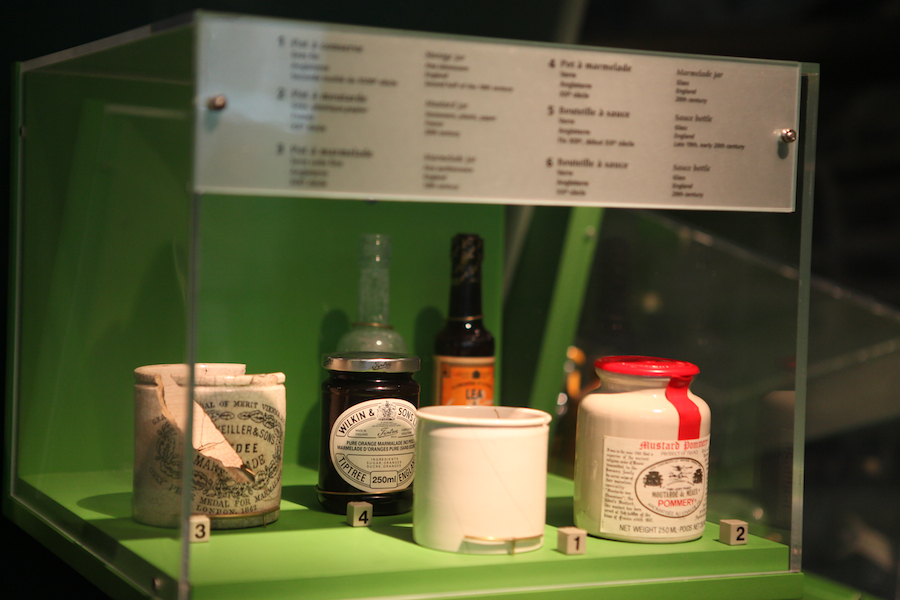
 Divers récipients à c
ondiments décou... -
 Ensemble de bâtiments
de Place-Royal... -
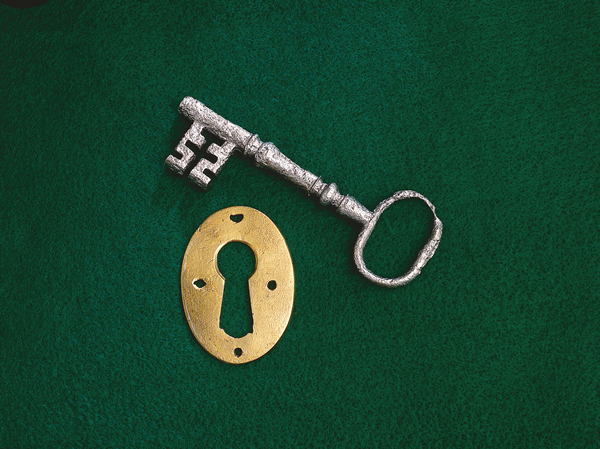
 Entrée de serrure et
clé (entre 1753...
-
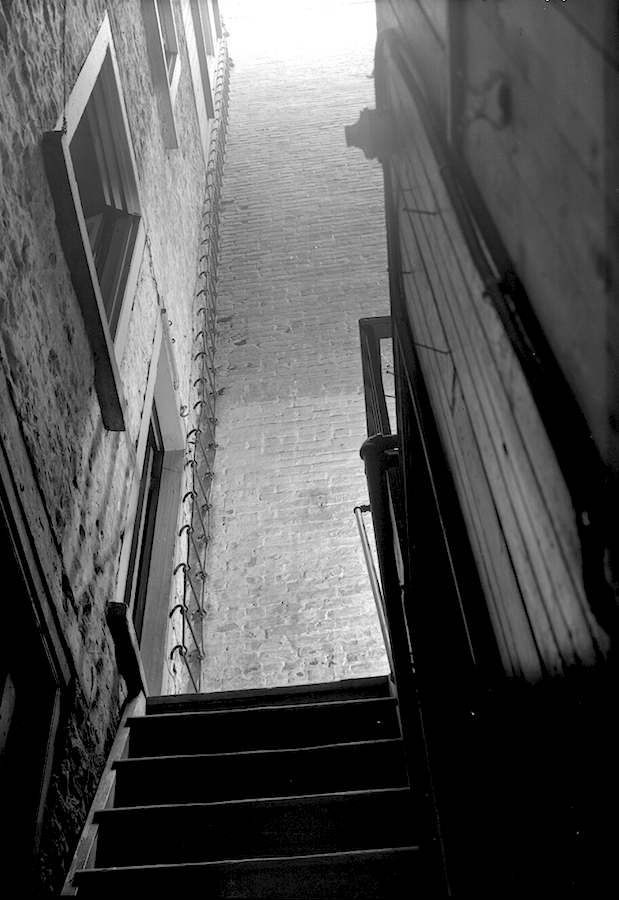
 Escalier de sauvetage
en maille de f... -
 Espace découverte pou
r les jeunes au... -
 Espace découverte pou
r les jeunes au... -
 Espace découverte pou
r les jeunes au...
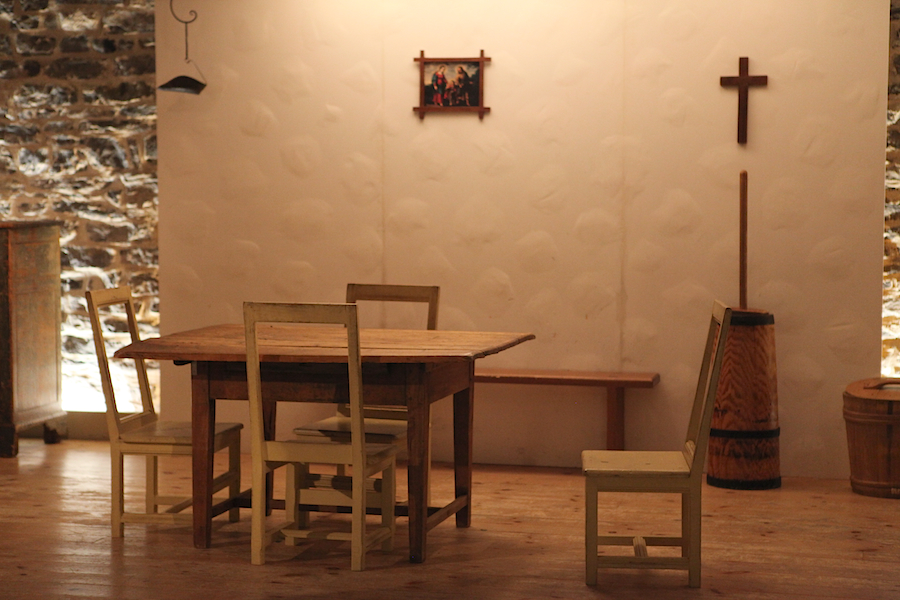
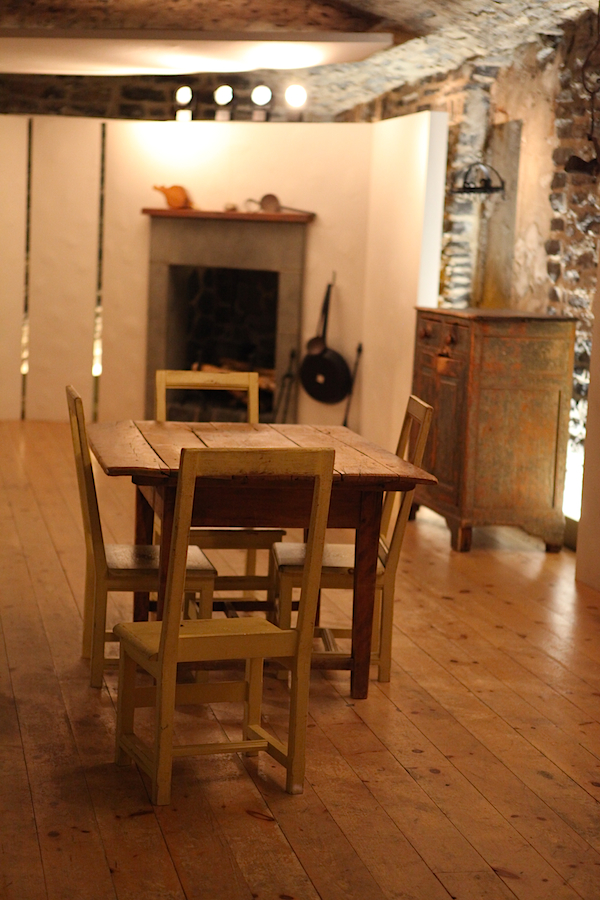
-
 Façade de l'hôtel Lou
is XIV, Place R... -
 Fêtes de la Nouvelle
-France à Place... -
 Fragment de papier pe
int (vers 1905)... -
 Hôtel Blanchard à Pl
ace Royale vers...
-
 Hôtel Blanchard à Pla
ce-Royale près ... -
 Hôtel Blanchard à Pla
ce-Royale, vue ... -
 L'une des maisons de
Place-Royale, 2... -
 L'une des vitrines th
ématiques du Ce...
-
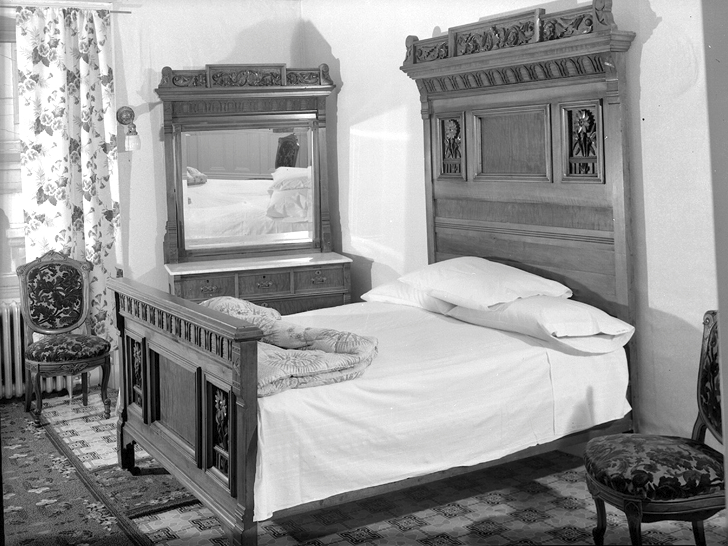
 La «chambre à coucher
de Jean Talon»... -
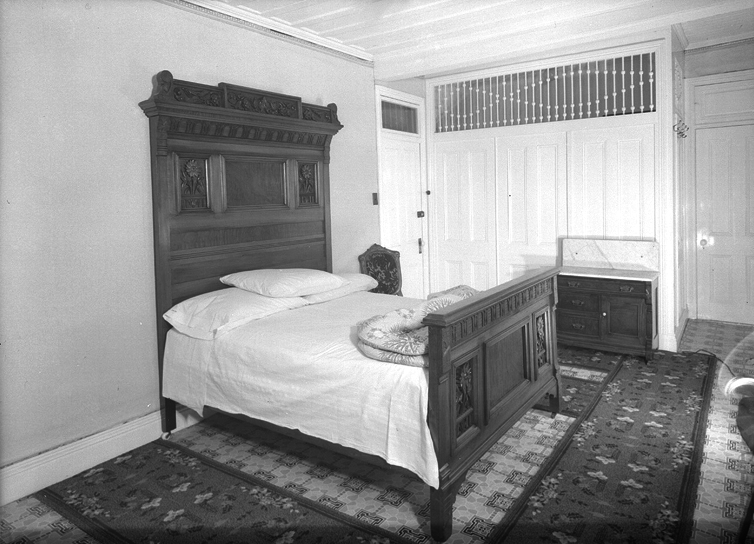
 La «chambre à coucher
de Jean Talon»... -
 La «salle du Conseil»
ou salle à dîn... -
 La basse-ville de Qué
bec vue de la t...
-
 La basse-ville de Qué
bec, 1778 -
 La Maison Barbel à Pl
ace-Royale en 2... -
 La Maison Barbel avan
t (en 1970) et ... -
 La Maison Barbel avan
t les travaux d...
-
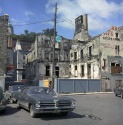 La Maison Leber avant
les travaux de... -
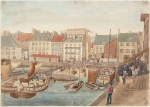 Le marché de la basse
-ville de Québe... -
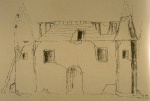 Le vieux magasin du R
oi tel qu'il ap... -
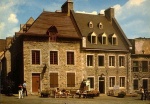 Les Maisons le Picart
(1763) et Dumo...
-
 Maquette présentant l
'intérieur d'un... -
 Marché de la basse-vi
lle de Québec e... -
 Marché de la basse-vi
lle de Québec e... -
 Monnaie de carte
-
 Montage présentant l'
entreprise de r... -
 Pichet à bière en grè
s rhénan -
 Place Royale pendant
le Carnaval d'h... -
 Place Royale, à Québe
c
-
 Place-Royale en 1650
-
 Place-Royale en 1759
-
 Place-Royale en 1850
-
 Québec: le marché Fin
lay et ses quai...
-
 Quelques artefacts li
és à l'alimenta... -
 Vaisselle de porcelai
ne découverte à... -
 Vue de l'église de No
tre-Dame-des-Vi... -
 Vue de la citadelle à
Québec le soir...
Hyperliens
Catégories
Notes
1. Sauf indication contraire, le terme de Place-Royale désigne, dans le présent article, l’ensemble des édifices qui entourent la place où s’élève l’église Notre-Dame-des-Victoires. Le secteur de la Place-Royale, quant à lui, englobe les rues avoisinantes et correspond à ce qui est identifié comme étant le quartier Place-Royale.
2. Les plus anciens objets découverts à la Place-Royale – parmi lesquels des morceaux de poterie, des outils de pierre et même une fosse funéraire – appartiennent à la culture amérindienne et indiquent une série d’occupations intermittentes qui remontent à plus de 2 000 ans avant l’arrivée de Samuel de Champlain. Les vestiges les plus anciens trouvés dans le secteur de la pointe de Québec témoignent d’une présence amérindienne remontant à près de 3 000 ans avant notre ère. Norman Clermont, Claude Chapdelaine et Jacques Guimont, L’occupation historique et préhistorique de la place royale, Québec, Les publications du Québec, 1992.
3. Une partie de ses objets peuvent être visualisés sur le site Place-Royale, d’aujourd’hui à hier et dans l’ouvrage de Camille Lapointe, Trésors et secrets de Place-Royale. Aperçu de la collection archéologique, Québec, Les Publications du Québec, 1998, p. 3.
4. L’emplacement stratégique de la pointe de Québec avait incité Samuel de Champlain à y faire construire une Habitation en 1608. L’édifice de bois, reconstruit en pierres en 1624, sert notamment de comptoir pour le commerce des fourrures.
5. Ainsi, l’Habitation est fortifiée par différents dispositifs de défense : pont-levis, fossé, plateformes à canon, murailles percées de meurtrières. Françoise Niellon et Marcel Moussette, L’habitation de Champlain, Québec, Les publications du Québec, 1981, p. 29.
6. L’existence de ce premier marché public de la ville de Québec sera officialisée en 1676. Monique La Grenade-Meunier, La société de Place-Royale à l’époque de la Nouvelle-France, Québec, Les Publications du Québec, 1992, p. 415.
7. En plus des marchands et des négociants, les propriétaires de résidences à la Place-Royale sont des artisans de métier, des administrateurs coloniaux ou des individus qui exercent une profession libérale. En ce qui concerne les professions exercées par les femmes sous le Régime français, une étude relève la présence d’une propriétaire-négociante, une aubergiste, une cabaretière et une couturière. Micheline Tremblay, Étude de la population de Place-Royale, 1660-1760, Québec, Les Publications du Québec, 1993, p. 5-6 et 89.
8. En 1661, l’incendie d’une maison avait pu être maîtrisé de justesse. Les premiers règlements seront ensuite promulgués par le Conseil souverain, créé en 1663. Mais il faudra cependant attendre l’arrivée du gouverneur Frontenac en 1672 pour voir l’instauration d’une véritable politique en matière d’urbanisme et de règlementation. Parmi les mesures prises par Frontenac notons la construction de murs pignons en maçonnerie, des échelles sur les toits et l’obligation de faire ramoner régulièrement les cheminées. Robert Côté, Portraits du site et de l’habitat de Place-Royale sous le Régime français : synthèse, Québec, Les Publications du Québec, 1992, p. 18, 30-31 et 64-65.
9. L’actuelle maison Dumont offre une reconstitution d’une lucarne de ce type. Cette technique d’entreposage sera interdite à partir du milieu du XIXesiècle. Laframboise et La Grenade-Meunier, La fonction résidentielle à Place-Royale, 1760-1820…, p. 225. Laframboise, La fonction résidentielle de Place-Royale, 1820-1860…, p. 358.
10. L’influence britannique sur l’architecture de Québec commence à apparaître à la fin du XVIIIe siècle par l’entremise d’ingénieurs de l’armée britannique et d’artisans anglo-saxons, mais ne se répandra que lentement au cours du XIXe siècle. À la Place-Royale, cette influence restera superficielle, portant surtout sur des techniques de construction, et transformant des éléments en façade, car l’immobilier y est déjà en place dès le tournant du XIXe siècle. De plus, dans les premières décennies du XIXe siècle, les rénovations rendues indispensables en raison du vieillissement des habitations sont exécutées par des artisans d’origine française. Laframboise et La Grenade-Meunier, La fonction résidentielle à Place-Royale, 1760-1820, p. 172-174. Yves Laframboise, La fonction résidentielle de Place-Royale, 1820-1860, synthèse, Québec, Les Publications du Québec, 1991, p. 162.
11. En période d’industrialisation, la Grande-Bretagne a grandement besoin de bois et s’approvisionne dans ses colonies, comme le Canada. L’industrie forestière bat son plein dans la partie ouest de la colonie (province de Québec et nord-est de l’Ontario actuels) et le port de Québec devient la plaque tournante du commerce d’exportation du bois vers la métropole.
12. Au tournant du XIXe siècle, quelque 850 personnes habitent dans le secteur de Place-Royale, l’espace saturé a déjà atteint les limites de sa capacité d’accueil; en 1861 ce n’est qu’un peu plus de 1 000 habitants qui y sont recensés. Dans le même laps de temps, la population de la ville de Québec va plus que sextupler, passant de quelque 8 000 à près de 52 000 habitants. Plus de la moitié des résidents de Place-Royale, propriétaires et locataires, occupent des fonctions et des métiers liés au négoce et aux activités portuaires. Les artisans, surtout localisés sur la rue du Petit-Champlain, y sont de moins en moins présents. Ils représentent 22 % de la population du secteur de Place-Royale en 1682, une proportion qui tombe à environ 12 % en 1860. Laframboise et La Grenade-Meunier, La fonction résidentielle à Place-Royale, 1760-1820…, p. 10. Yves Laframboise, La fonction résidentielle de Place-Royale, 1820-1860, p. 12.Côté, Place-Royale…, p. 161.
13. La maison Fornel en est un exemple. Michel Gaumond, « Les vieux murs témoignent » : le Collège des Jésuites, la 1er église de St-Joachim, la MaisonFornel, Québec, Ministère des affaires culturelles, 1978, p. 85. Laframboise, La fonction résidentielle de Place-Royale, 1820-1860…, p. 161-162.
14. Des années 1860 aux années 1880, le nombre de navires qui s’arrêtent au port de Québec diminue rapidement et un même mouvement de décroissance affecte l’industrie de la construction navale et le commerce du bois. Il passe de 1500 bateaux en 1861 à quelque 275 en 1889. Toutefois, les bateaux qui fréquentent le port sont de plus fort tonnage qu’auparavant et transportent donc de plus volumineuses cargaisons. Les modifications apportées aux installations portuaires pour s’adapter à cette nouvelle réalité témoignent d’une certaine vitalité des lieux. Ainsi, le port demeure encore un secteur d’activités relativement important où transitent voyageurs et marchandises qui utilisent également le chemin de fer. Côté, Place-Royale…, p. 167-168.
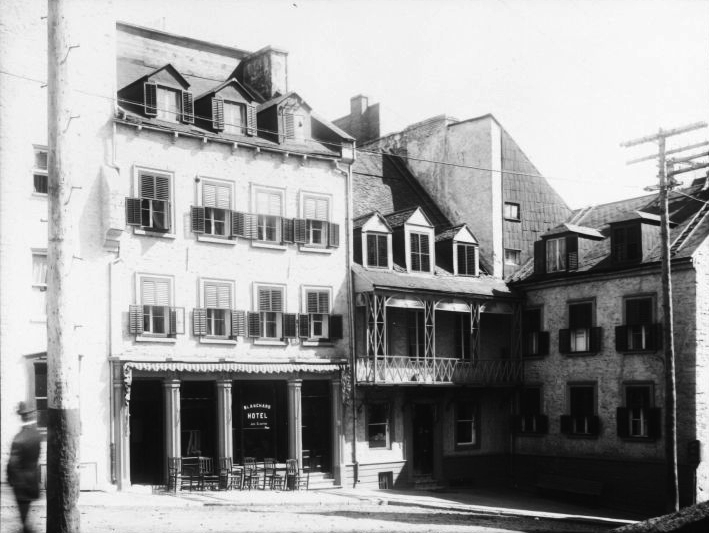
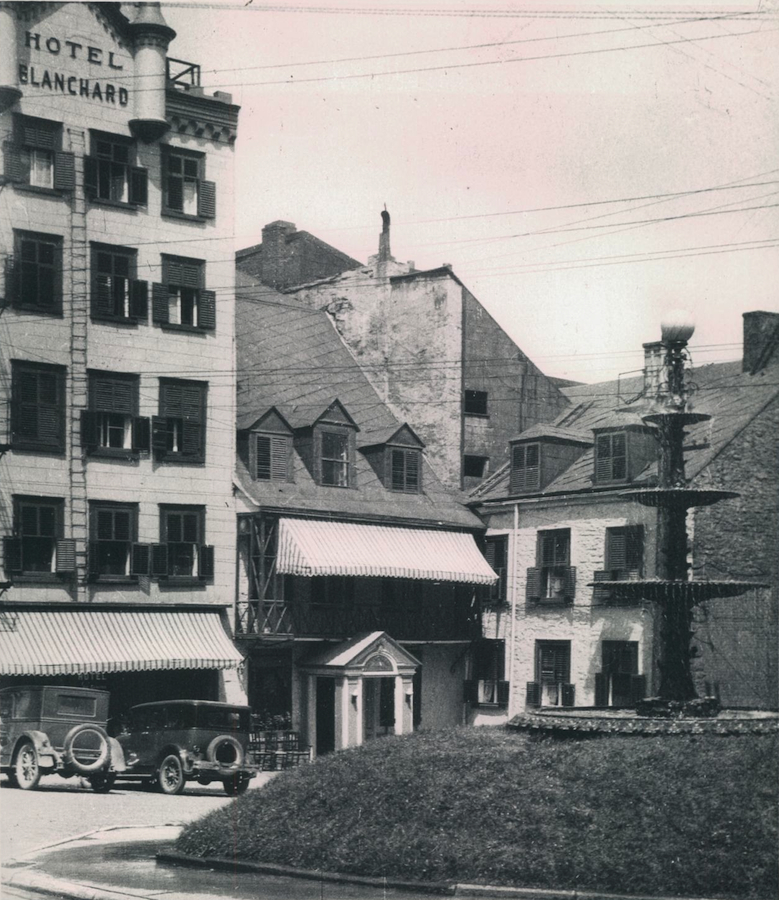
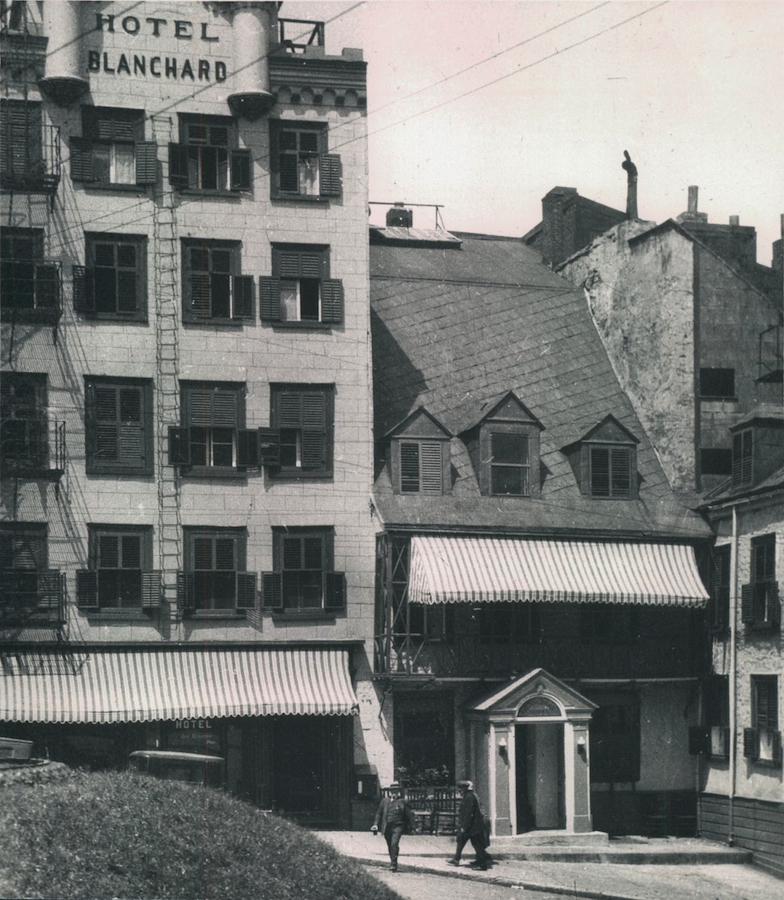
15. L’hôtel Blanchard, érigé à partir de la maison Le Picart en 1844, en est un exemple. Cet hôtel, qui a été fortement endommagé par un incendie en 1966, avait été agrandi en 1903 avec l’intégration de la maison Dumont. Il a pris par la suite le nom d’hôtel Louis XIV. Jean-Marie Lebel, « Quand le président américain Taft avait sa chambre à Québec », Prestige, février 2010, p. 70-71.
16. Des années 1860 à 1920, le secteur de Place-Royale continue néanmoins d’attirer les milieux d’affaires et les institutions financières de même que les entreprises de presse. Toutefois, à partir des premières décennies du XXe siècle de nombreuses institutions financières iront s’établir en Haute-Ville, suivant le mouvement de la population.
17. Ces rapports sont, pour nombre d’entre eux, disponibles sur le site Nos racines.
18. Il s’agit des maisons Hazeur, construite au XVIIe siècle, et Smith, datant du XIXe siècle.
Bibliographie
Clermont Norman, Claude Chapdelaine et Jacques Guimont, L’occupation historique et préhistorique de la place royale, Québec, Les publications du Québec, 1992.
Côté Renée, Place-Royale : quatre siècles d'histoire, Montréal, Musée de la civilisation, Fides, 2000.
Côté Robert, Portraits du site et de l’habitat de Place-Royale sous le Régime français : synthèse, Québec, Les Publications du Québec, 1992.
Laframboise Yves et Monique La Grenade-Meunier, La fonction résidentielle à Place-Royale, 1760-1820, synthèse, Québec, Les Publications du Québec, 1991.
Laframboise Yves, La fonction résidentielle de Place-Royale, 1820-1860, synthèse, Québec, Les Publications du Québec, 1991.
La Grenade-Meunier Monique, La société de Place-Royale à l’époque de la Nouvelle-France, Québec, Les Publications du Québec, 1992.
Lapointe Camille, Trésors et secrets de Place-Royale. Aperçu de la collection archéologique, Québec, Les Publications du Québec, 1998.
Paulette Claude, Place-Royale. Berceau d’une ville, Québec, Les Publications du Québec, 1986.
Provencher Jean, L’histoire du Vieux-Québec à travers son patrimoine, Québec, Les Publications du Québec, 2007.

