Citadel of Quebec
par Pépin, Carl
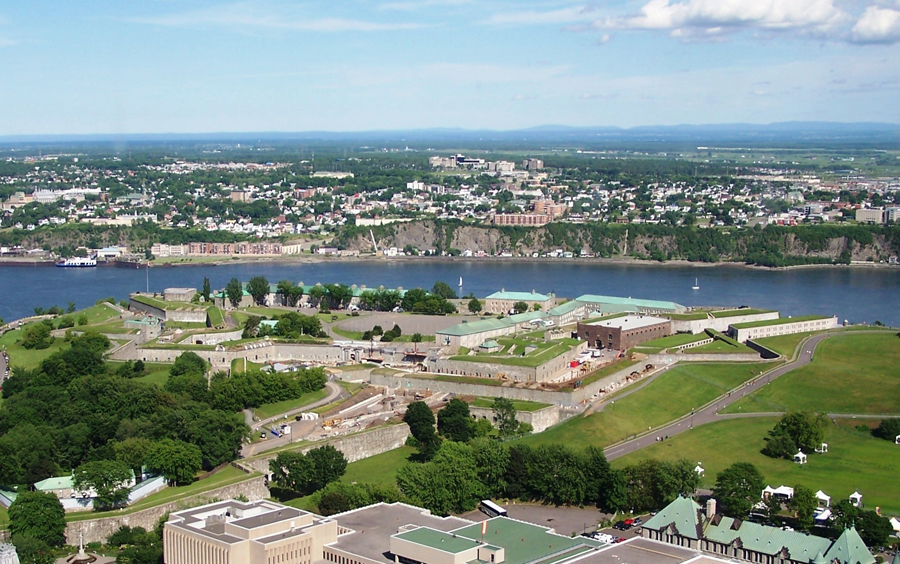
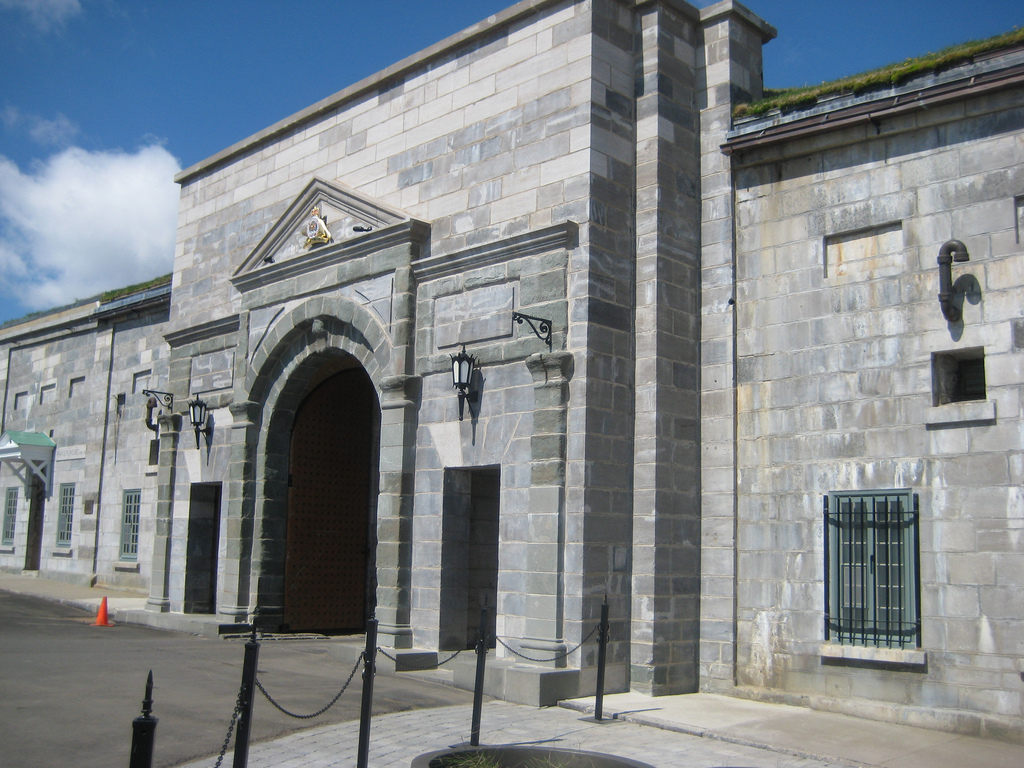
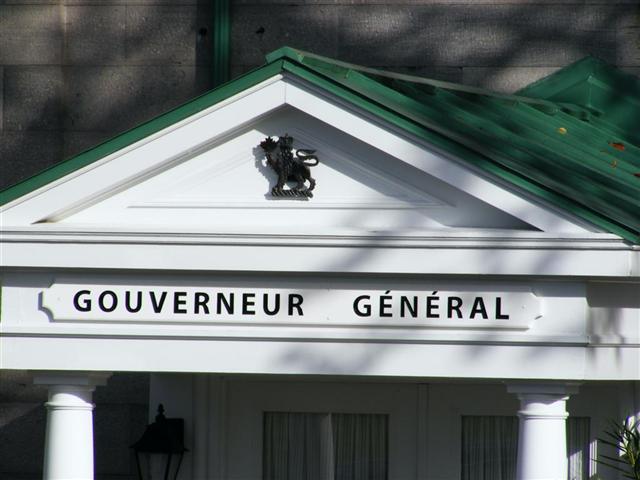
The Citadel of Quebec is the largest military fortification in Canada still in active service. Perched on top of Cap Diamant adjacent to the Plains of Abraham, it is an integral part of the city's old defensive works. The Citadel was built by the British in the early 19th century to protect Quebec City against American invasion. Today, it is the home of the Royal 22e Régiment of the Canadian Armed Forces and also houses an official residence of the Governor General of Canada. The Citadel of Quebec is recognised as a National Historic Site of Canada.
Article disponible en français : Citadelle de Québec
The Citadel
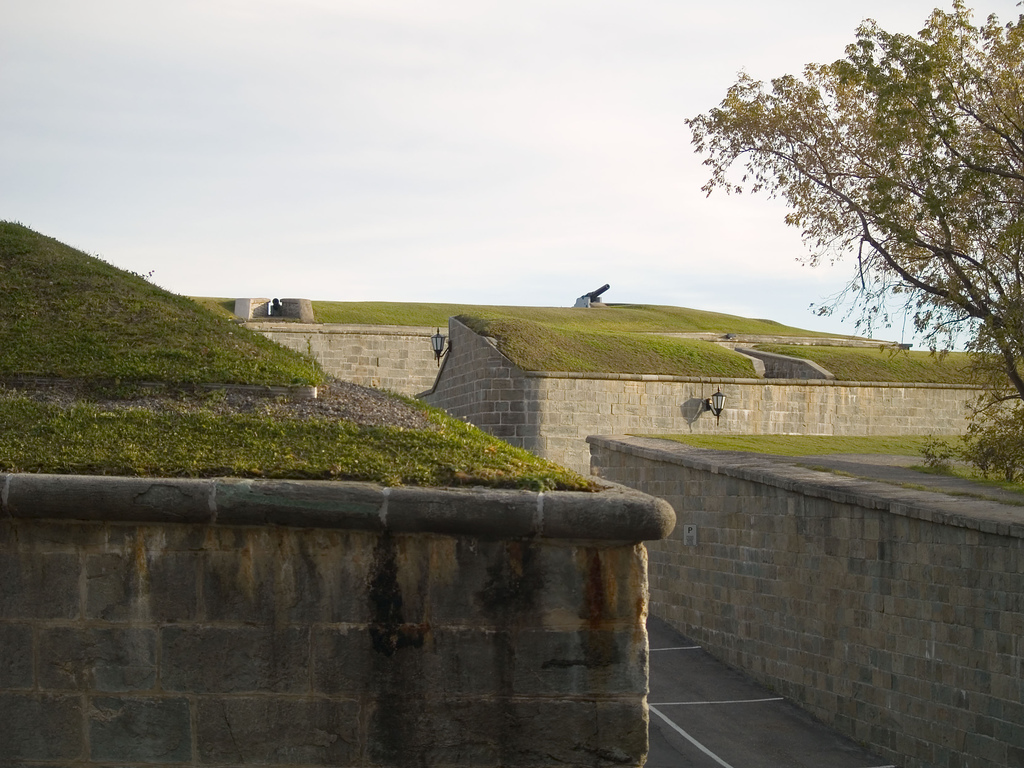
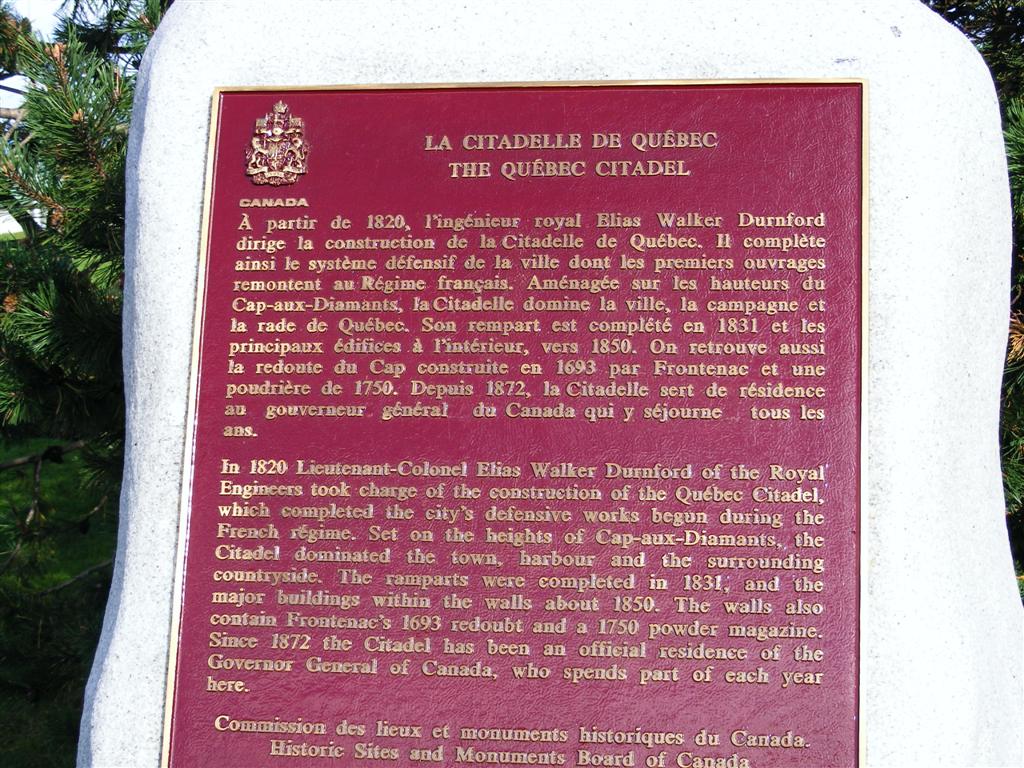
Nicknamed the "Gibraltar of North America," the Citadel of Quebec is the largest fortification in Canada. Its design is a "sunken" or "flat" castramentation typical of late 18th and early 19th century defensive works. The Citadel was built atop of Cap-Diamant, 100 metres [328 feet] above sea level, during the British regime under the direction of Lieutenant Colonel Elias Walker Durnford, an officer of the Royal Engineers. Its star-like shape was inspired by the fortifications designed by the French engineer Sébastien Le Prestre de Vauban in the 17th century. Covering 2.3 square kilometres [37 acres], the Citadel is an irregular four-sided polygon characterized by flanking geometry in which each angle constitutes a bastion or half bastion.
The outside walls of the Citadel were erected between 1820 and 1831, but work on the interior buildings was not completed until 1851. Built at a cost of approximately $35 million in today's dollars, the Citadel was intended to protect Quebec City and the St. Lawrence River against future American invasion after the wars of 1775-76 and 1812.
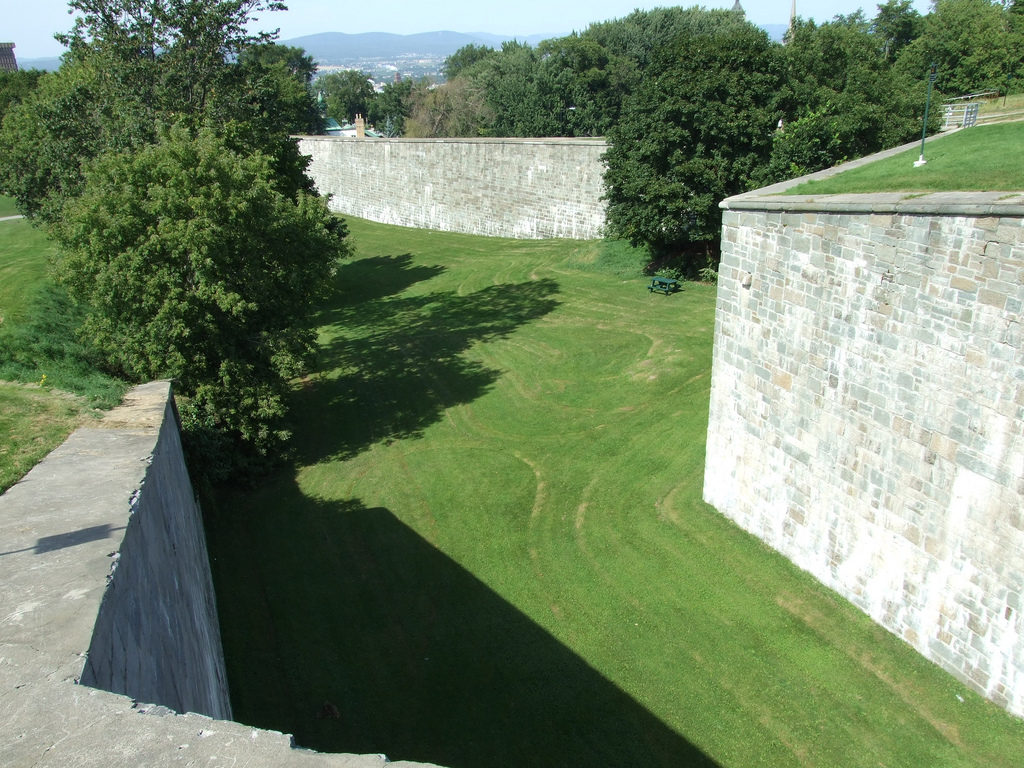
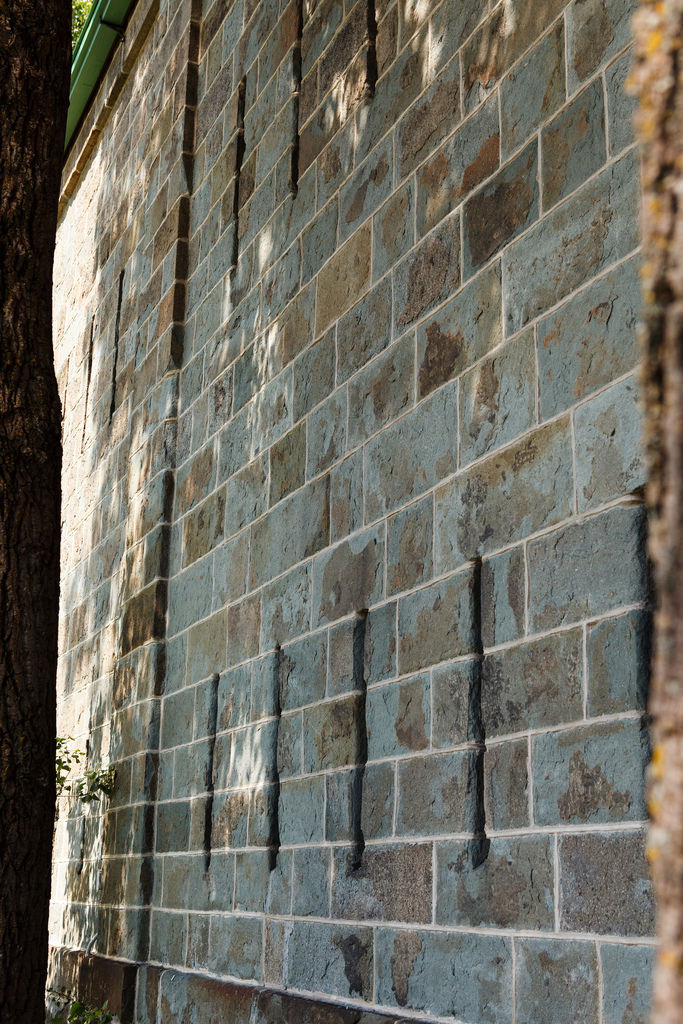
The southern flank of the fortress is protected by natural obstacles: the cliffs of Cap Diamant and the St. Lawrence River. The eastern, western and northern flanks are defended by four major bastions, which were equipped with heavy artillery that could be used to defend both the river and areas further inland. In addition, there are three curtain walls and an imposing system of ditches and triangular earthen ravelins jutting out from the bastions. The stone used to build the Citadel came from three main sites in Cap-Rouge, Neuville and L'Ange-Gardien. Building and casemate interiors were primarily finished in Scottish brick that had been used as ballast on ships sailing home empty to Canada after delivering their cargo.
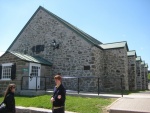
The vast majority of the 25 buildings inside the Citadel, all of which are equipped with loop holes, were erected by the British. However, two older structures date from the French regime: the Cap Diamant Redoubt in the King's Bastion, and the powder magazine in the Prince of Wales Bastion, built in 1693 and 1750 respectively. The Citadel is also home to the Royal 22e Régiment headquarters and museum and is an active Canadian Forces base.
The History of the Citadel: Continuity and Change
After the British conquest in the second half of the 18th century, the problem of Quebec City's defences grew more acute. Fears of a potential French attempt to recapture the colony, concerns about a possible uprising by the local French population and war with the Americans forced the British to develop a new defensive strategy for the city. Despite Great Britain's financial woes, talk of a citadel was in the air.
Between 1778 and 1783, during the American War of Independence, wooden redoubts and earthworks were constructed on Cap Diamant under the supervision of engineer William Twiss. This was the famous "temporary citadel." Twiss' successors, including engineers Gother Mann and E.W. Durnford, readily embraced the idea of integrating new defences into the old French defensive system of 1745, known as the enceinte. Given the strategic value of Cap Diamant, this idea made perfect sense.
The new fortress had to be integrated into the existing defensive works. It had to serve both as a major link in the existing chain of reinforced ramparts and a structure capable of standing alone as the ultimate refuge in case of attack. The Citadel was not necessarily meant to be the central element in Quebec City's defences, but was designed to play more of a supporting role while at the same time serving as the corner stone of the system. The fortress that Durnford began working on in 1820 was the last in a series of improvement senvisioned by Mann.
Soldiers of the British garrison did the lion's share of the construction work. The Citadel, which was also designed to serve as a barracks and arms depot, could house between 1,000 and 1,500 soldiers and their equipment. It was rare, however, for the full complement of troops to be stationed there. In mid-19th century Quebec City, the British garrison was split between the Citadel, the Jesuit Barracks (where City Hall stands today), and Artillery Park.
The Citadel's role has evolved over time and although it was never tested in battle, it has been continuously occupied by the military throughout its history. In the years following its completion, changes were made to the defensive system in Quebec City and the surrounding area. For example, the guns on the bastions were replaced by more modern artillery. Tensions during the American Civil War (1861-1865) spurred British authorities to strengthen the city's defences further. Between 1865 and 1871, three forts (including Fort No.1 in Lauzon) were built on the Lévis heights on the south shore to provide support for the Citadel.
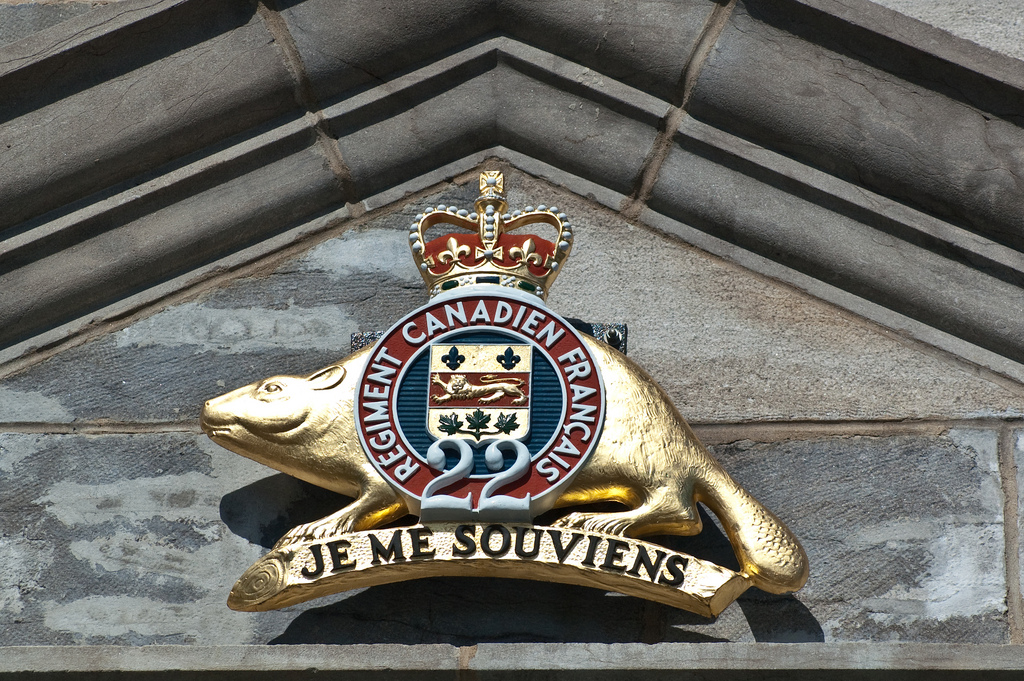
The advent of Confederation in 1867 along with improvements in relations with the United States led Great Britain to reduce its military presence in Canada. The British garrison gradually began to withdraw from Quebec City in 1871. The Citadel was converted into an artillery school for the newly formed Canadian Militia. It also remained an important site for basic infantry training, a role it continues to play today.
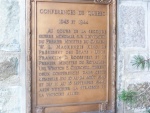
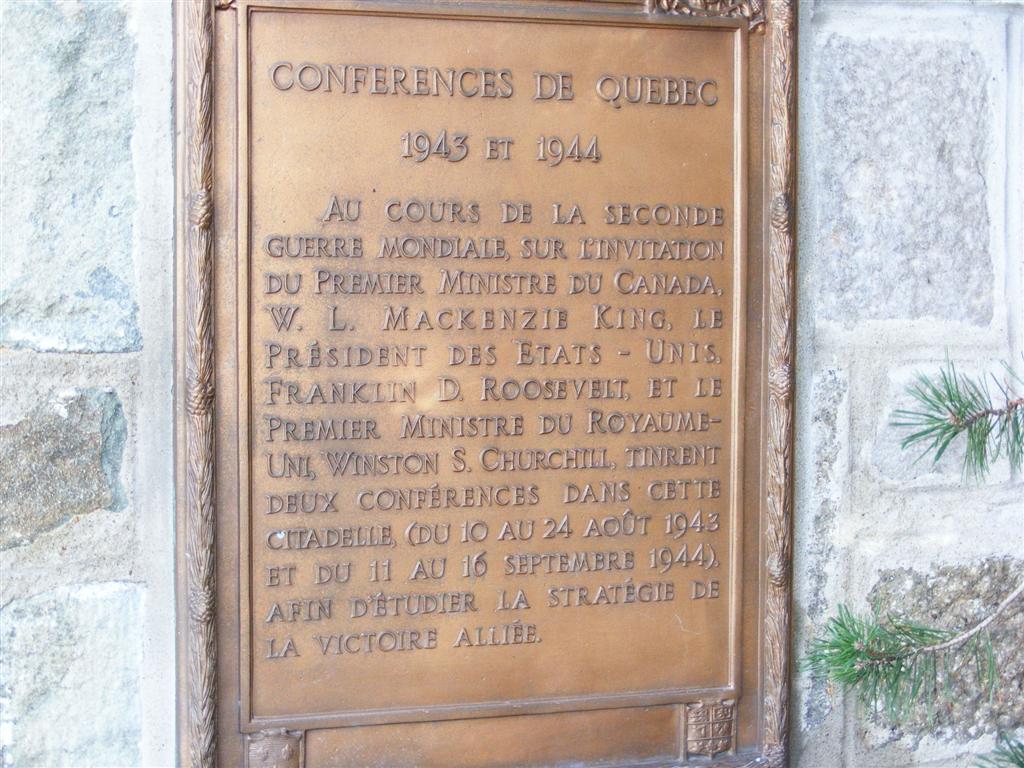
After the First World War, in 1920 the Royal 22e Régiment (R22R) was officially assigned to the Citadel and has been there ever since. Today, the fortress is still an active Canadian Forces base and serves as the headquarters of R22R's second battalion. The Citadel has played host to many important events within its walls over the years, including the Quebec conferences of 1943 and 1944, where important decisions were made about Allied military strategy in the Second World War. In addition, Governor Lord Dufferin (1872-1878) made the Citadel an official residence of the representative of the British crown in Canada.
The Heritage Value of the Citadel
The Citadel of Quebec is a National Historic Site of Canada. It owes this designation to its historic importance, its architectural significance and its strategic location in the heart of Quebec City. Today, the Citadel is a nessential stop for anyone interested in discovering and exploring the military history of Quebec City and Canada. As part of the Historic District of Old Quebec - a UNESCO world heritage site since 1985 - it is unquestionably one of the city's leading tourist attractions.
The Citadel stands as a reminder of the historic challenges of defending Quebec City and the colony. From the days of New France through the British and Canadian regimes, it has played a pivotal role in the city's defences, as born out by the huge investments made in the fortifications. Its imposing presence on Cap Diamant also testifies to the site's strategic importance, from the days of Governor Frontenac to the founding of modern-day Canada in 1867.
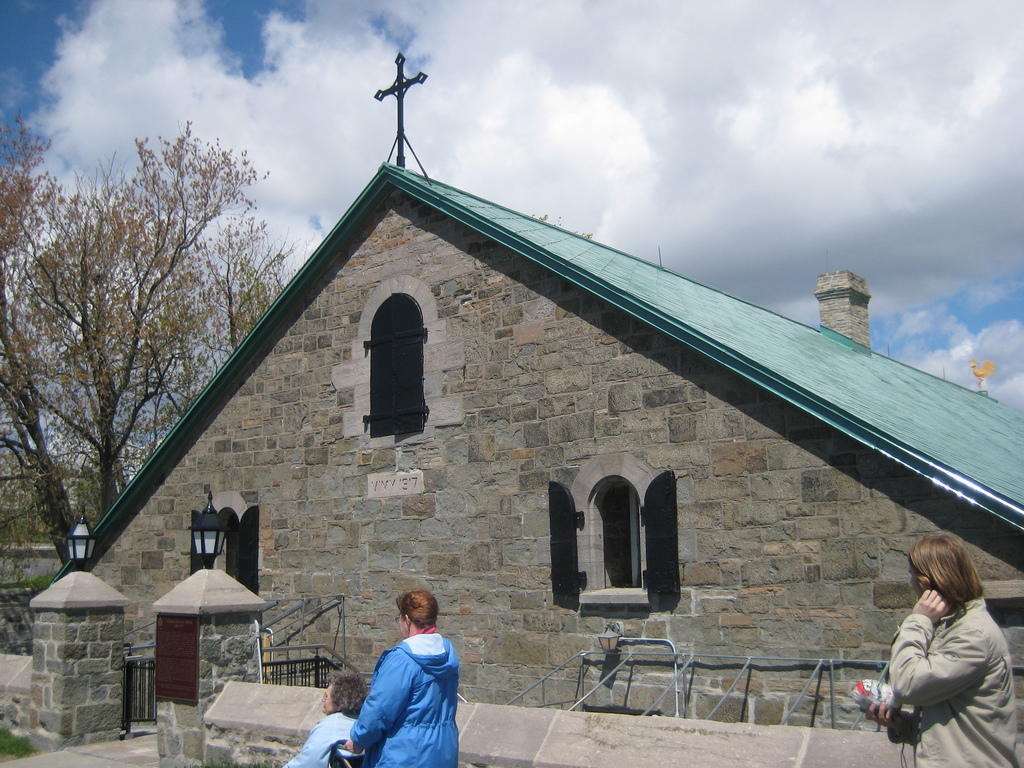
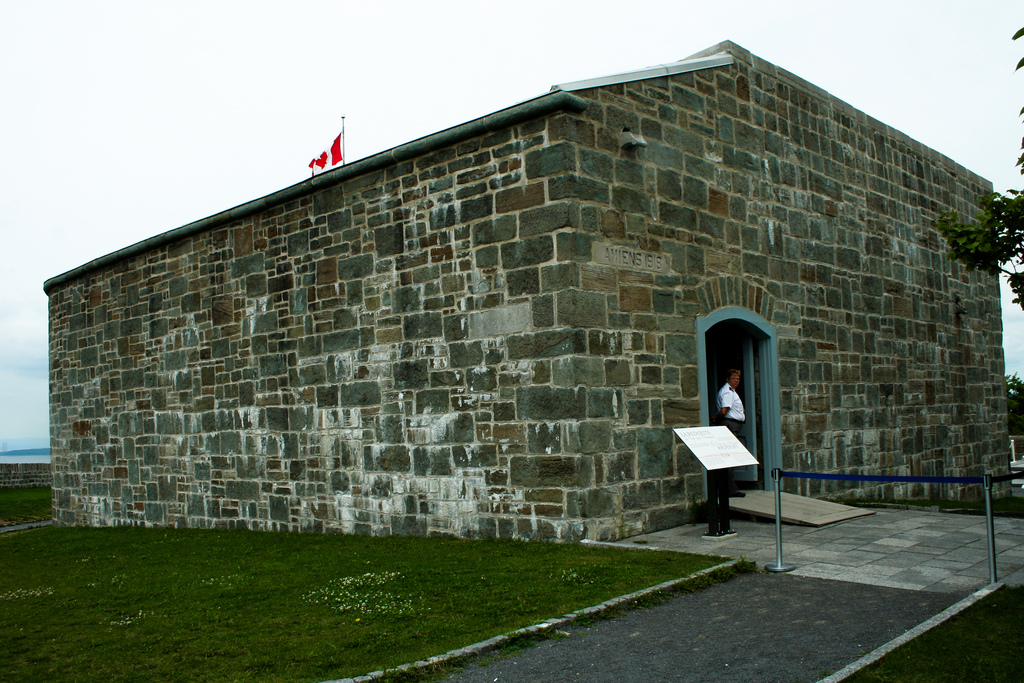
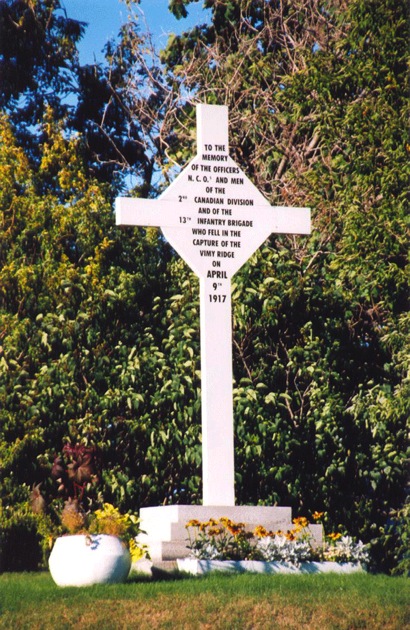
Other buildings and symbols at the site recall additional aspects of Canada's military heritage. The Vimy Cross, for example, pays tribute to the Canadian soldiers who died in the war of 1914-1918. The Tenaille, a former military prison built in 1842, evokes the hardships early soldiers faced. Along the southern wall is a long building dating from 1831. It is divided into three distinct sections-the Governor General's residence near the King's Bastion, the commander's residence and the Royal 22e Regiment Officers Mess. A military hospital completed in 1849 now serves as regimental headquarters for the "Van Doos," as the regiment is affectionately known.
The Citadel of Quebec is a masterpiece of military architecture by any standard. An extension of the urban landscape "sunken" into the Cap Diamant cliffs and protected by multiple defences, it is a remarkable embodiment of the architectural and military knowledge of its time. It is also the ultimate symbol of Britain's military presence in Quebec City and the rest of Canada prior to Confederation.
Bringing the Citadel to Life
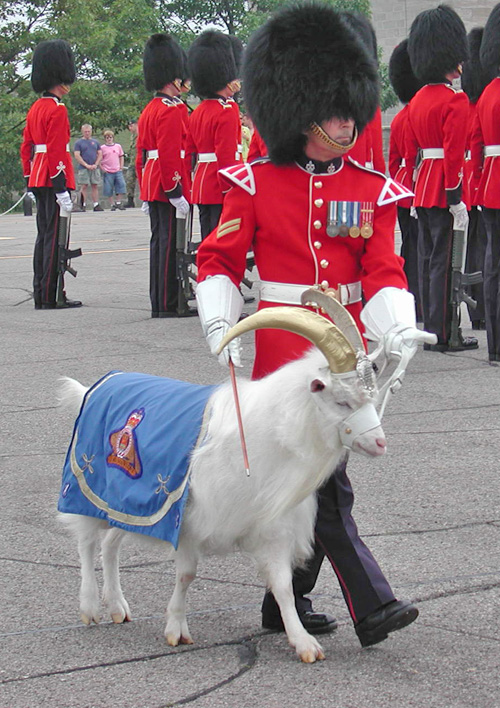
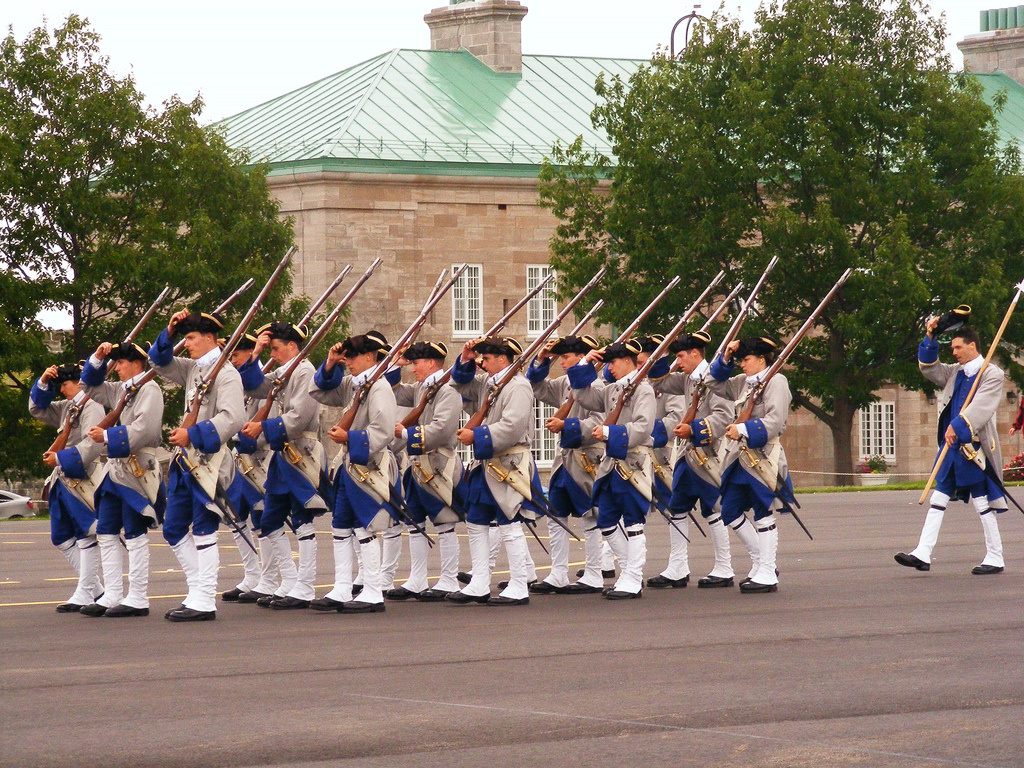
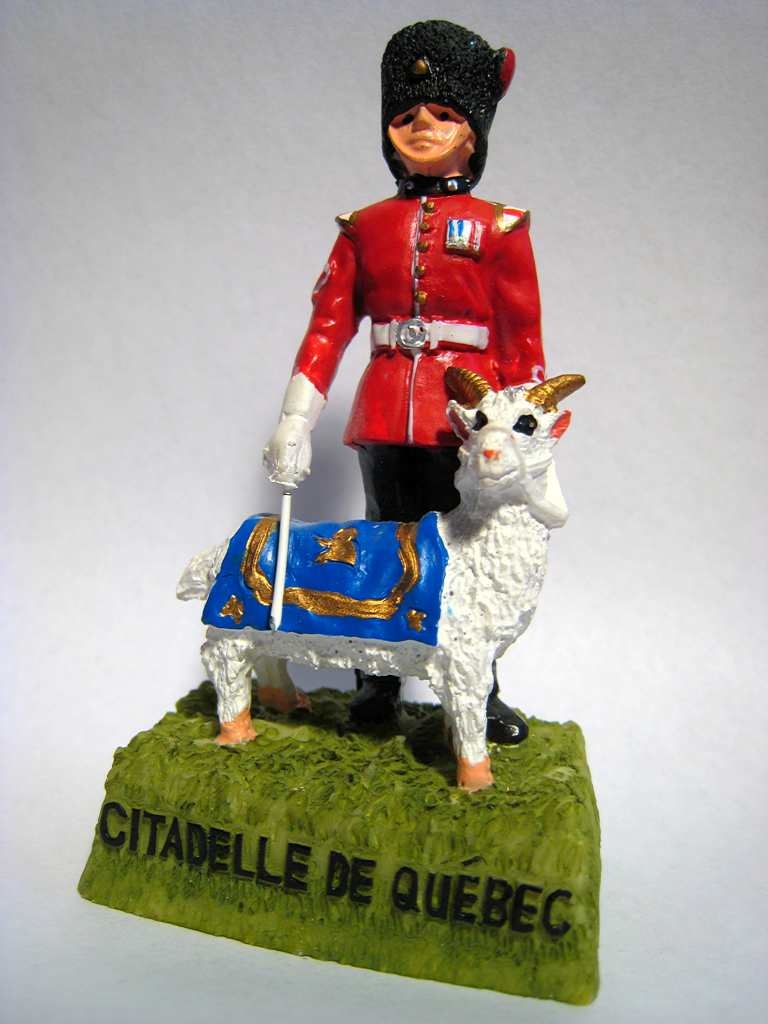
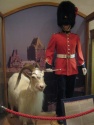
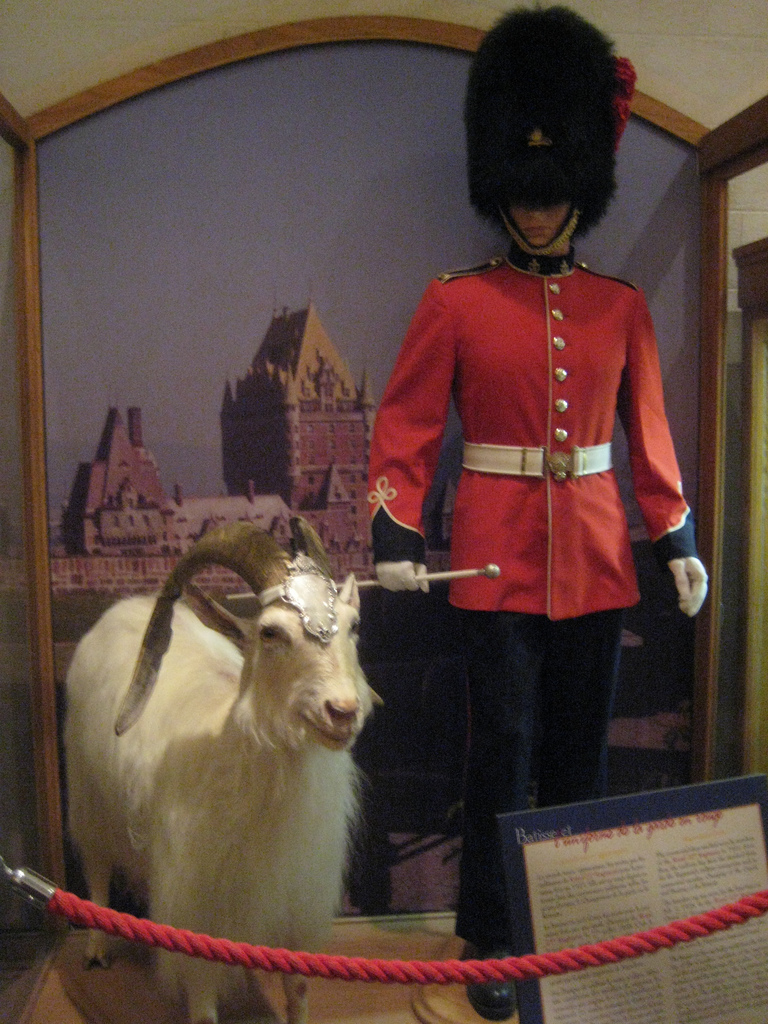
Today, the Citadel of Quebec is one of the few places in Quebec where civilians and soldiers cross paths on a daily basis. Given its status as an active military base, the presence of soldiers is only natural, but civilians also help bring this Quebec City heritage landmark to life. During the summer, members of the Royal 22e Regiment, who consider the Citadel their home base, keep 19th century British military traditions alive with public presentations of ceremonies such as the changing of the guard and the beating of the retreat. The ceremonies, with their colourful uniforms, marching bands and regimental goat, always draw large crowds of tourists.
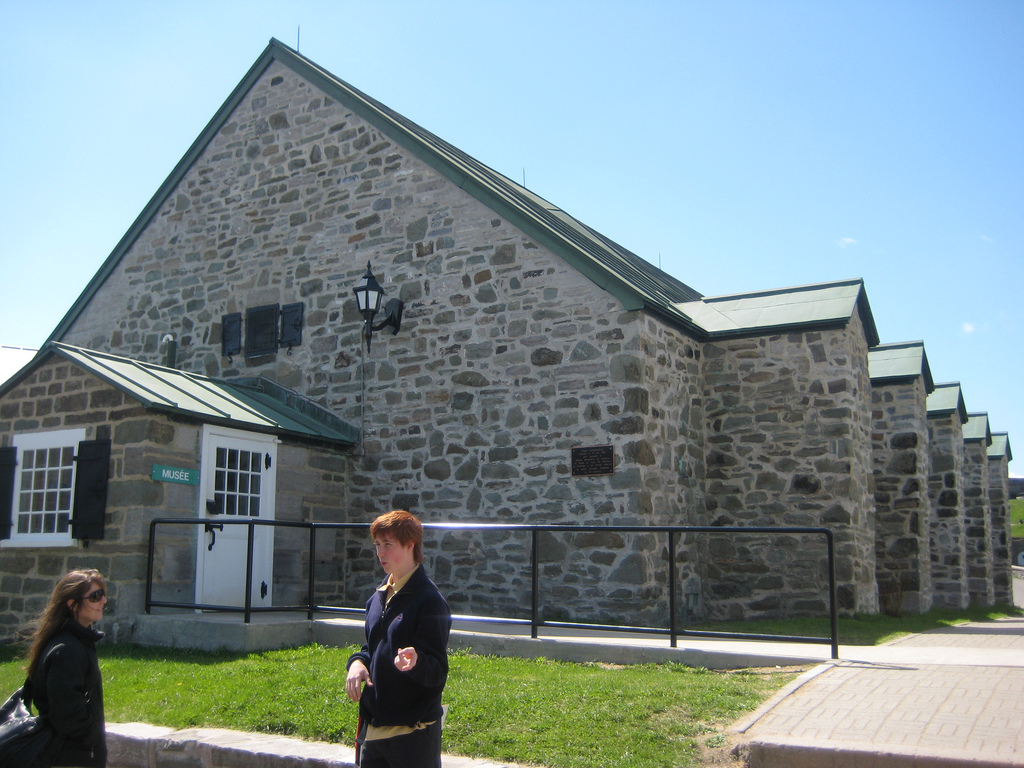
The Museum of the Royal 22e Régiment, founded in 1950, boasts prestigious collections of weapons, uniforms, medals and manuscripts from three centuries of military life in Quebec's historic capital. The museum, which covers the French, British and Canadian periods, is an official member of the Canadian Forces Museum network.
Year-round guided tours for the general public and for school groups are another way of sharing the Citadel's heritage. Depending on the clientele, tours may include a visit of the site, educational games or even plays. In addition to these initiatives, the Department of National Defence is preparing, at the time of writing, to inject $100 million over ten years for some much needed renovations.
Thus, after having played a central role in strengthening Quebec's coastal and land defences, the Citadel is now one of Quebec City's leading heritage attractions.
Carl Pépin
Historian, Ph.D.
BIBLIOGRAPHY
CHARBONNEAU, André, Yvon DESLOGES and Marc LAFRANCE, Québec, ville fortifiée, du 17e au 19esiècle, Ottawa, Parks Canada, 1982, 491 p.
CHARTRAND, René, Le patrimoine militaire canadien. D'hier à aujourd'hui. Tome II: 1755-1871, Montréal, Art Global inc, 1995, 238 p.
DESLOGES, Yvon, Les forts de la pointe Lévys, Étude en archéologie, architecture ethistoire, National Historic Sites, Parks Service, Environment Canada, Ottawa, 1991, 73 p.
FILTEAU, Gérald. Par la bouche de mes canons! La ville de Québec face à l'ennemi, Sillery, Septentrion, 1990, 271 p.
HOGG, Ian, Fortifications: histoire mondiale de l'architecture militaire, Paris, Atlas, 1983, 256 p.
SANTERRE, Simon, Le patrimoine archéologique des fortifications au Québec, Inventaire des sites archéologiques du Québec, Québec, Ministère de la Culture des Communications et de la Condition féminine, 154 p. Available online on the website of Ministère de la Culture, des Communications et de la Condition Féminine du Québec: http://www.mcccf.gouv.qc.ca/index
Additional DocumentsSome documents require an additional plugin to be consulted
Images

-
 Mascot and uniform of
the Royal 22è ... -
 Old French Powder Mag
azine -
 Plaque commémorative
- conférence de... -
 Plaque explicative -
Citadelle de Qu...
-
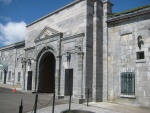 Porte Dalhousie
-
 Quebec-2008-07-10IMG_
0261 -
 Résidence du gouverne
ur général -
 The difference betwee
n french and br...