Baron of Lahontan
par Ouellet, Réal
After having enjoyed a considerable success in Europe with the 1702-1703 publication of his three-volume memoire - mainly inspired from his long stay in New France (1686-1693) - Lahontan was all but forgotten for more than two centuries. Then his works were rediscovered in the 1970s, and subsequently came to be considered essential, as they offered a better understanding of the literary evolution of the travel literature genre, as well as of the libertarian movement that swept over Europe during the age of Enlightenment of the 18thcentury. His work is also thought to be an invaluable contribution to the history of New France. Lahontan, an antihero who was not nearly as publicised as Champlain or other legendary characters of New France, has produced a work that today still assists scholars in better understanding French cultural heritage and history.
Article disponible en français : Baron de Lahontan
An Unacknowledged Literary Work
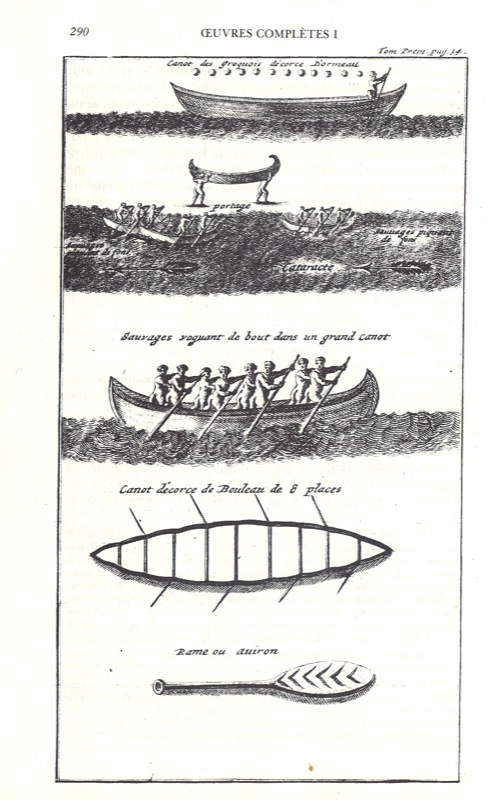
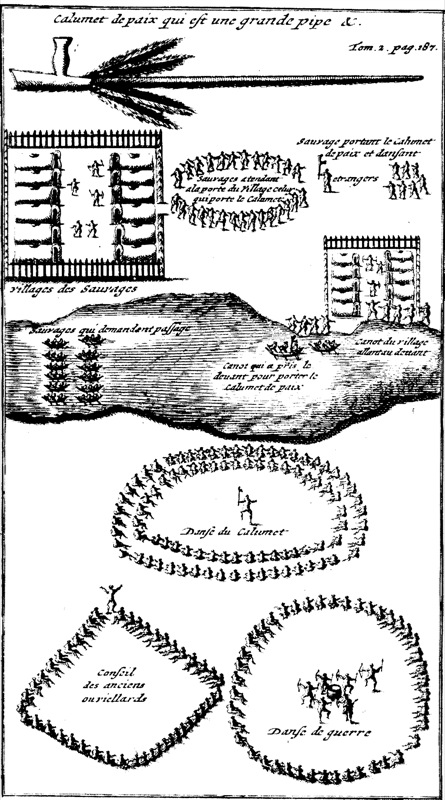
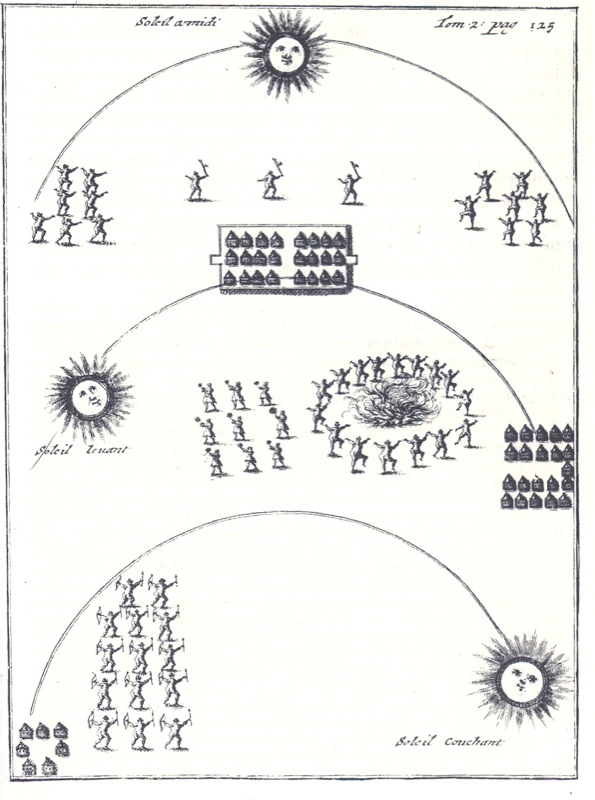
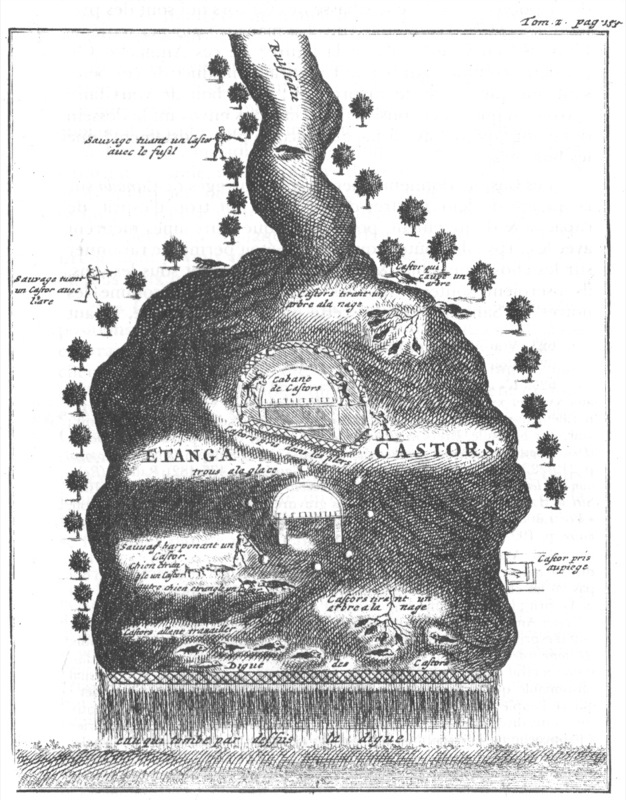
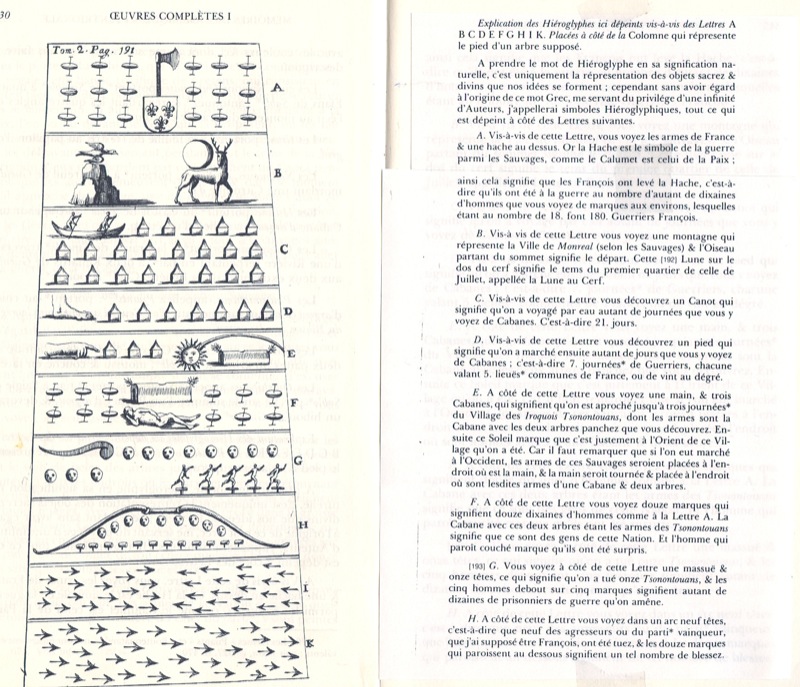
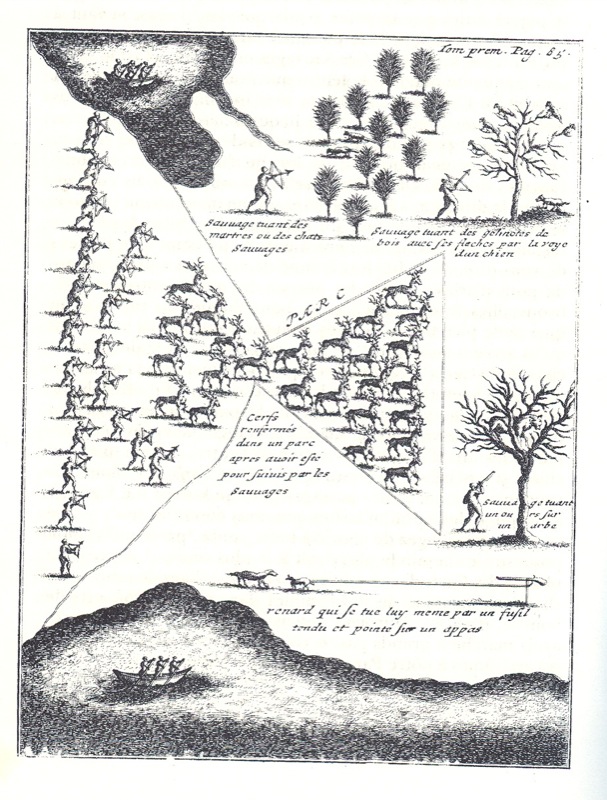
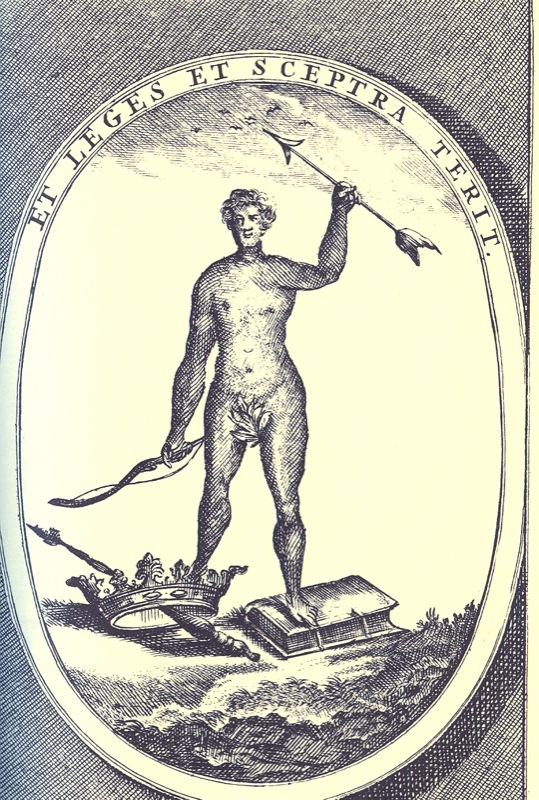
Lahontan's published work is comprised of three volume (NOTE 1): Les Nouveaux Voyages de Mr. le Baron de La Hontan dans l'Amérique Septentrionale, Les Mémoires de l'Amérique, and La Suite du Voyage de l'Amérique. The first two titles (published in November 1702 but dated in 1703) are presented as the first two volumes of the same book. The third volume was printed a year later with three different title pages: Suite du Voyage, Dialogues and Supplément aux Voyages. Les Mémoires are a treatise on the geography and ethnography, the fauna and flora, and the administration and commerce of the colony. La Suite du Voyage is comprised of the Dialogues Philosophiques avec un Chef Huron and seven letters that are accounts of Lahontan's stay in Portugal and Denmark. Finally, Les Nouveaux Voyages, composed of 25 letters, tells of his progressive discovery of New France and its inhabitants from 1683 to 1693.
Up until the 1740s, Lahontan's work was copiously copied and commented on by English and French authors of dictionaries, travel accounts or treatises on North America. It was also a source of inspiration for plays such as Delisle de la Drevetière's L'Arlequin Sauvage (1721) or novels such as Desfontaines' Le Nouveau Gulliver (1730). Thereafter, it was all but forgotten.
A Short Biographical Account of Lahontan
Louis-Armand de Lom d'Arce was born on June 9th, 1666, in Lahontan, a small village in the Pyrénées-Atlantiques, a mountain range in South-western France near the Spanish border. His father, Isaac de Lom d'Arce, had spent considerable sums of money on the purchase of the Lahontan barony, as well as on making the Gave de Pau navigable from Pau to Bayonne. Despite his apparent wealth, his financial situation was precarious and deteriorated with time. At the time of his death in 1674, he was ruined and his creditors spent ten years seizing his castle and his lands, which would finally be sold in an auction in 1684, amidst countless law suits that would last a century.
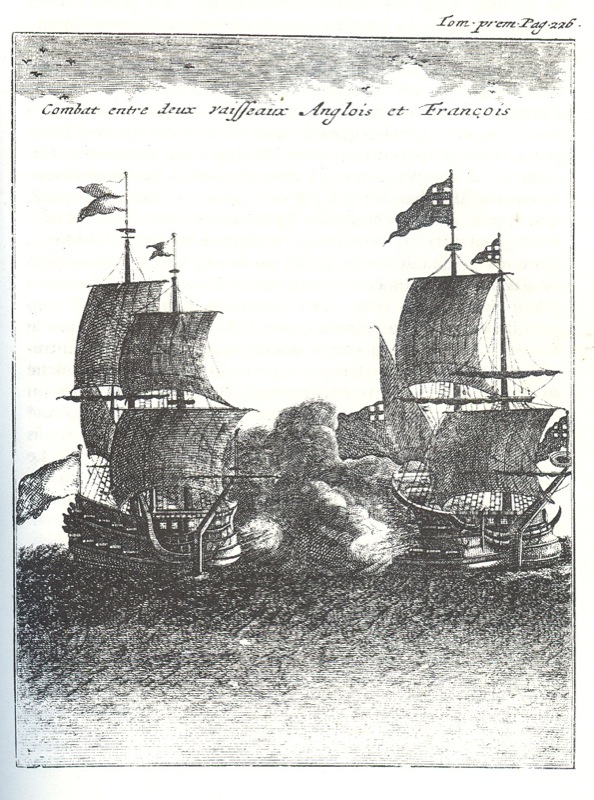
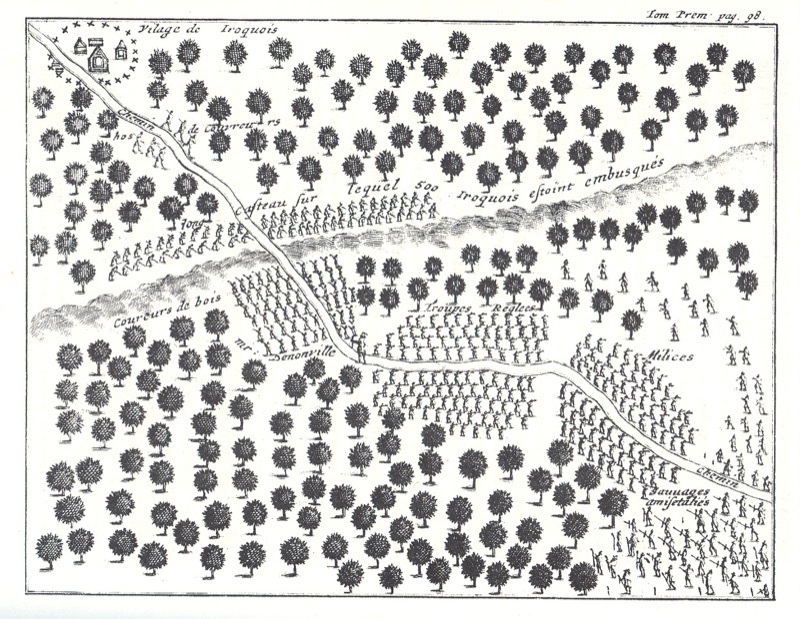
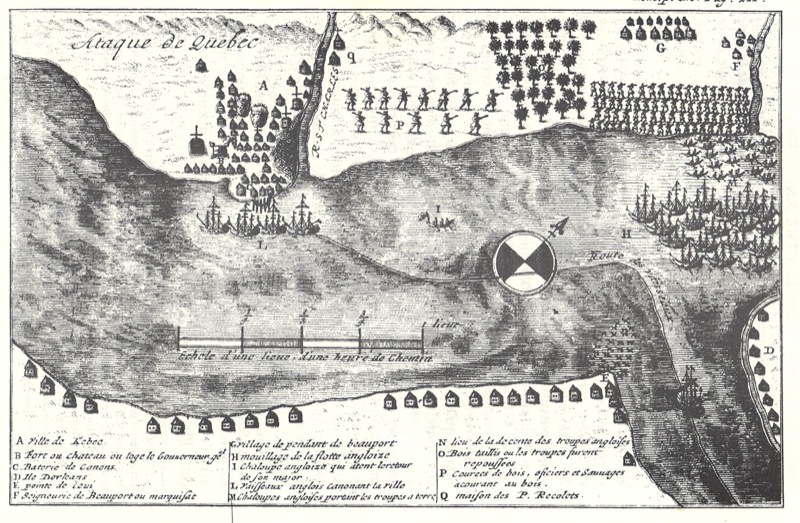
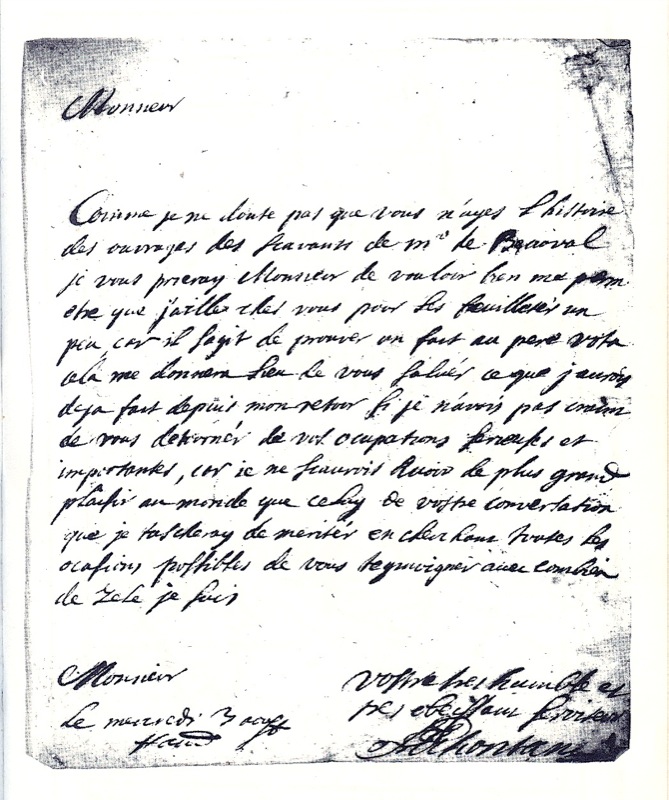
Nevertheless, Louis-Armand would keep the name of Lahontan all his life. He left for Canada in August of 1683 with a detachment from the Marine Corps sent to the New World to answer the pressing request of Governor La Barre, who feared an imminent war with the Iroquois. The young soldier, who was eventually quickly promoted, took part in two attack sagainst the Iroquois. During the winter of 1688-1689, along with a few French and Natives, he left to explore one of the Mississippi's tributary, La Rivière Longue (probably today's Minnesota River). Back in Quebec City the following summer, he became a regular guest at Governor Frontenac's table, who seemed to enjoy Lahontan's conversation. In 1690, he helped defend Quebec City against the attack of Admiral Phipps. Soon thereafter, he made two quick trips to France: the first to settle his family's affairs and the second to present a report on the defenses of forts in the Great Lake region. While on this second trip to France, he distinguished himself during an English attack on Plaisance, Newfoundland, (one of France's major fishing outposts). In reward for his bravery, he was named a king's lieutenant in 1692. Nevertheless, his stay in Newfoundland was short.
He had only just arrived in Newfoundland, when a violent quarrel erupted between himself and the overbearing, short-tempered representative of the king, Governor Brouillan. Brouillan accused Lahontan ofinsubordination and of serious dereliction of his duties. In return, Lahontan accused Brouillan of misappropriation of funds. In fear of being arrested and sent to the Bastille, Lahontan boarded a fishing ship destined to reach Portugal in January of 1694. For eight years he lived from pillar to post, unable to settle anywhere. In 1699, he attempted to sell Jean Cavelier's Journal to Spain (Jean Cavelier was Mississippi explorer Cavelier de La Salle's brother). Three years latter, from Holland or England, he sent to British authorities various treatises encouraging them to seize New France. The same year, he confirmed his rupture with his home country by simultaneously publishing his first two volumes, which were dedicated to an enemy of France, Frederick IV of Denmark. A few months later his third volume was published. Although his three volumes published in Amsterdam were an immediate success and brought him great fame, they brought him little money. After four years of wandering, he finally found himself at the court of Hanover, where he spent the nine remaining years of his life. According to the correspondence of the time, he was a courtier with no official duties who entertained the court and stirred up conversation. The great philosopher Leibniz, with whom he corresponded, and the Electress Sophia, future mother of King George 1st of England, both seemed to enjoy his company. Nothing more is known about him and no portrait or any of his personal letters were left to be handed down to posterity. According to records of the Church of Saint-Clement in Hanover, he would have died on April 21st, 1716 "before the Easter communion he had wished to attend". He was 49.
Lahontan's Work
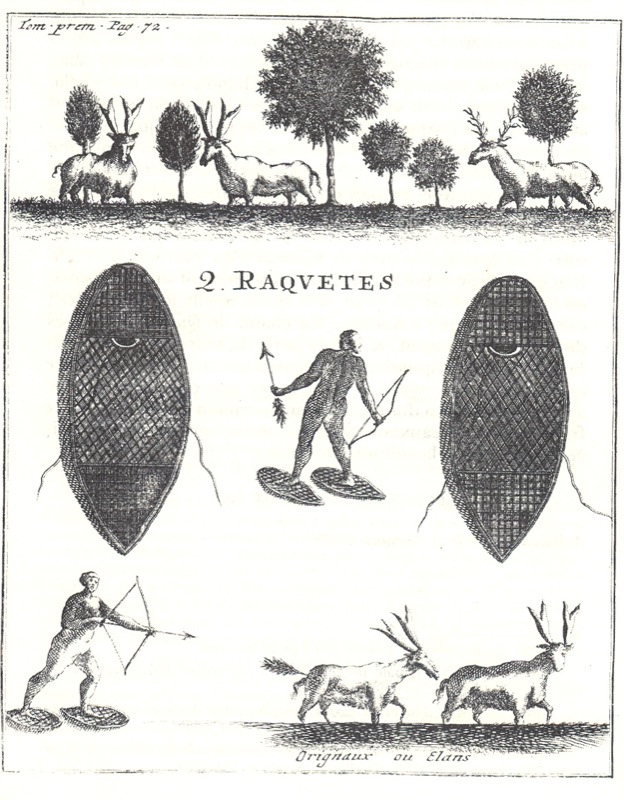
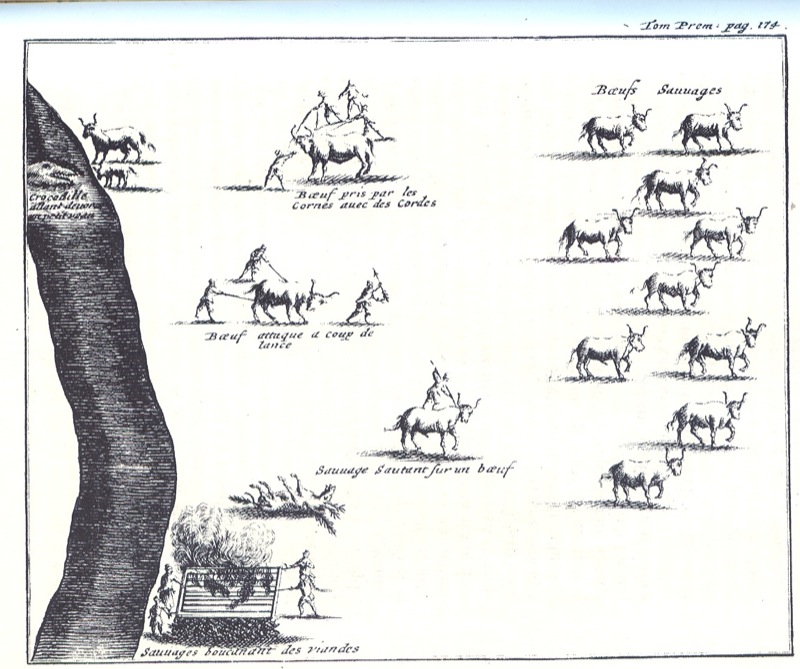
Despite all that was said or written, and as it was revealed in the comprehensive annotation of his Complete Works (published in 1990), that Lahontan's work is quite reliable. For example, whether it be on his account of Admiral Phipps' attack on Quebec City in 1690, on the relations between the different Aboriginal tribes, on the management of the colony or on the flora and fauna of North America, the details of accounts are usually consistent with the most reliable sources (NOTE 2).
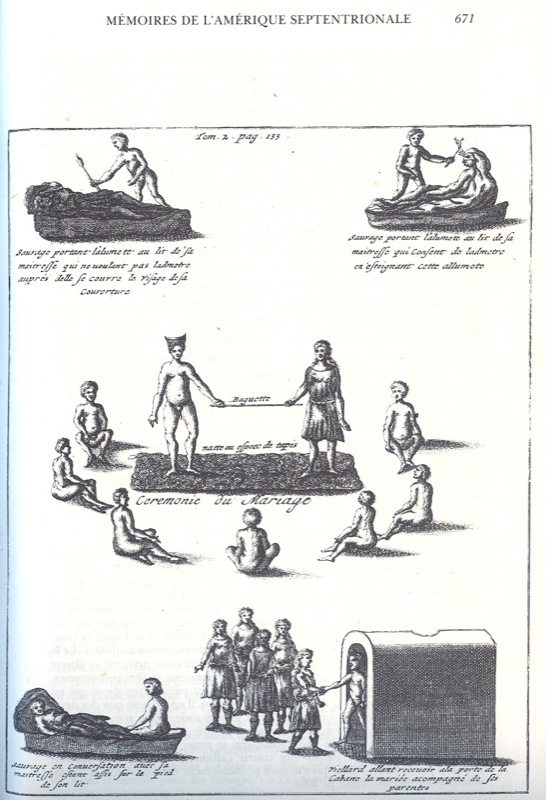
In France and in Canada, he was never forgiven for his violent attacks against France's colonialism and against the restrictive power of the Church. Similarly, many refused to consider the Dialogues with a Huron chief as a philosophical text, and so, they erroneously put the writings on the same level with the other texts. But in reality, the words of his main character, Adario, are in no way a simple ethnographic treatise. Fifty years before Rousseau, he states that physical and moral evils come from private property. By accumulating more than they need, the rich relegate poor to misery and despair, without finding any more happiness, since they themselves live in the constant fear of losing their possessions, even suspecting their family and friends. On the contrary, it is the Huron nation's social equality and the simple lives they lead that keep them from becoming slaves to two passions found incivilised societies: ambition and greed. There, men, women and children share this freedom. Unlike European girls who are forced by their fathers to marry men whom they "hate to death", Huron girls, "mistresses of their own bodies", are not dominated by their parents. True feelings of love are a sure measure against any type of slavery and keeps the heart free; for the Huron do not know "this blinding passion we call love" (p.669) and neither are they familiar with the unbreakable bond of Christian marriage, which prevents freedom. This harsh critique of the European civilisation - which should not be taken too literally because of the ironic undertones woven through it - contributed to the spread of the "European crise de conscience", a period of increased soul-searching and social conscience that marked the final years of Louis XIV's reign and made Lahontan a writer of his time.
The Waxing and Waning Popularity of Lahontan's Literary Legacy
Although Lahontan's works were considerably successful all over Europe when they were released (NOTE 3), they were all but forgotten after being discredited by the Jesuit Charlevoix in his Histoire de la Nouvelle-France, published in 1744. Although Michelet salutes Lahontan in 1863, as one who foreshadowed the "Enlightenment", historians and critics rarely mention him except to accuse him of lying and of ignorance (NOTE 4). The reproach will be constantly repeated by almost every French Canadian historian until the second half of the 20th century. This is not surprising considering that half of them were clergymen (Ferland, Verreau, Casgrain, Gosselin) and that the majority of the rest (Chapais, Dionne, Gagnon) shared the dominant Catholic ideology. Lahontan criticised the Church, religion and the established authority, but above all else, these clergymen and devout Roman Catholics never forgave him for a short paragraph in which he spoke ironically about the "virtue of the King's Daughters who were sent to increase the population rate of the colony." Gustave Lanctôt, in 1952, and Sylvio Dumas, in 1972, would publish two vitriolic books to condemn this "calumny". They stated that "not only is Lahontan disrespectful, he is a liar (he invented tales such as the "Rivière Longue"), he is insubordinate, a bragger, spiteful, a coward, a slanderer..."
These later attacks against Lahontan arose at atime when the general public had manifested an interest in the country's history. At that time, the Éditions du Jour released subsequent versions of the Relations des Jésuites (1972) and of Les Œuvres de Champlain (1973), while works destined for the general public - generally published in the form of books or well-illustrated booklets - such as Notre Histoire, Québec-Canada, or Nos Racines, l'Histoire Vivante des Québécois, began to appear in print. One of the authors of the latter, Jacques Lacoursière, published the successful Une Histoire Populaire du Québec en Quatre Volumes in 1995-1996 (NOTE 5). During the same period, scholars from various fields and countries began to do systematic studies and published a large volume of literature on the colonisation of America by the French. These writings mostly consisted of travelogues, historical accounts, letters or reports from missionaries and explorers, etc. The immediate value of Lahontan's works-which had been published at the beginning of the Enlightenment era-were seen to be essential, because of their value as a historical document, as well as for their critical views. The two later editions of his Dialogues are a proof of this. The first, published by Maurice Roelens, came out in 1973 in "Classiques du Peuples" at Éditions Sociales; the second, a reproduction of the 1705 edition of Gueudeville, which had been published against Lahontan's will, was reprinted at Élysée in Montreal. Then, in 1983,followed a new edition of the Nouveaux Voyages edited by Jacques Colin at L'Hexagone, as well as Sur Lahontan: Comptes Rendus et Critiques (1702-1711), published by Réal Ouellet (L'Hétrière). Translations in German of the Dialogues (by B. Kohl in 1981) and of the Nouveaux Voyages (by R. Dragsta and D. Kamper in 1982) were published, to be followed by an Italian translation of the Dialogues (by F. Surdich, in 1984). These new releases were also accompanied by a considerable volume of literary critiques, too numerous to list here. The number of critiques written incresed even more after Réal Ouellet and Alain Beaulieu published the Oeuvre Complètes in 1990 (NOTE 6).
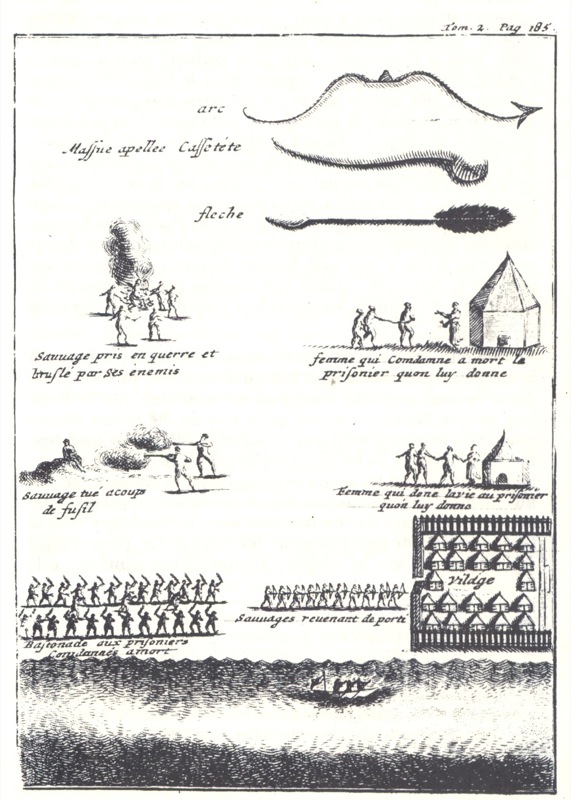
Since that time, Lahontan's work has regularly been the subject of fresh historical and literary analyses. The French and German critiques are mostly on the Dialogues, while those in English, usually written by North American historians, are generally on the unresolved question of the Rivière Longue (NOTE 7). To those can be added a few MA theses and two PhD dissertations: Judith Chamberlain Neave's "A Study of Historical Veracity in the Works of the Baron de Lahontan" (NOTE 8) and France Boisvert's "Le Développement des genres littéraires dans l'oeuvre de Lahontan."(NOTE 9)
Despite these numerous articles, Lahontan's work still has not been acknowledged in the world of French literature and among French thinkers, even if it is now considered to have played an important role in Europe during the period intellectual effervescence that took place from 1685 to 1715. One only needs to examine a few historical dictionaries such as François Bluche's "Grand Siècle" (Fayard, 1990, re-issued in 2005), or René and Suzanne Pillorget's France classique, France baroque (Laffont, 1995), to see that Lahontan is mentioned nowhere in Bluche's tome and Pillorget only includes what little knowledge of him that was available fifty years ago. The great Dictionnaire des lettres françaises - XVIIIe Siècle - published by Georges Grente, in 1960, and then in 1995 (Fayard) under the supervision of François Moureau - mentions recent studies and the republishing of the Œuvres complètes, but the recent wave of critical works is barely acknowledged. The only publications of the encyclopedia genre that mention the studies on Lahontan published in the last thirty years are the Dictionnaire de biographie française and the Encyclopedia of the Enlightenment(NOTE 10). There is also Robert Piart's article "Le Baron de Lahontan (1666-1716)", which is available online and largely takes its inspiration from the Œuvres complètes published in 1990 (NOTE 11).
On a symbolic level, the fortune's of Lahontan's historic and literary reputation did not enable him to rise to the status of a "heroic" historic figure in Canada or in Quebec, rather it is quite to the contrary (NOTE 12). Ironically, while in Nevada there is an dry lake, a valley, a dam, a trout species (Cetthrat), a Baptist association and a branch of the Audubon Society named after Lahontan, in Canada, there is only an insignificant street in Montreal and a village near North Bay (Ontario) that bear his name. Despite this lack of recognition, Lahontan seems to be growing in popularity amongst the general public. Recent events such as the August 2006 edition of the Fêtes de la Nouvelle-France in Quebec City, which presented a conference on Lahontan and a theatrical debate based on his Dialogues avec un Sauvage, are proof of this growing interest. Lahontan was also the inspiration for Réal Ouellet's historic novel, L'Aventurier du Hasard. Le Baron de Lahontan (Quebec City, Septentrion, 1996). And in the summer of 2008, in Montreal, another event centered on this historic character took place: the festival Présence Autochtone [Native Presence] organised an art exhibit at the Grande Bibliothèque [Library] where eight Native artists exhibited works that take their inspiration from Lahontan's Dialogues. The exhibition opened on June 13th with a public reading of the Dialogues followed by a group discussion. In addition to these events, his writings have also often been used as a part of recent expositions such the Pointe-à-Callière Montreal Museum of Archaeology and History's 2007 exhibit "Premières Nations, Collections Royales de France". Thus, one might conclude that Lahontan and his works have finally reached a turning point and that the tide is turning towards well deserved recognition.
Réal Ouellet
Retired literature teacher
Laval University
NOTES
Note 1. Form more on the biography, the bibliography and the importance of Lahontan, see the comprehensive edition of his Œuvres Complètes, by R. Ouellet and A. Beaulieu, Montreal, Les Presses de l'Université de Montréal, 1990, vol. 2
Note 2. See the introduction to the Œuvres Complètes, p. 43-82.
Note 3. For more on the literary popularity of Lahontan up until about 1988, see the introduction to the Œuvres Complètes, p. 102-199.
Note 4. In Génie du Christianisme, Chateaubriand writes: "One does not blush to prefer, or pretend to prefer the Voyages of an ignorant and liar Baron of Lahontan over those of a Du Tertre andor a Charlevoix" (Essais sur les Révolutions. Génie du Christianisme, published by M.Regard, Paris, Gallimard, Bibliothèque de la Pléiade, 1978, p. 972).
Note 5. In addition to that one must not forget to mention the anastatic printing of the two editions of R. G. Thwaites: in 1959 (Pageant Book), the bilingual edition of the Relations des Jésuites (Burrougs, 1896-1901); in 1970 (Burt Franklin), the English translation of the works of Lahontan, published in 1905, at McClurg.
Note 6. By providing a version of the text, copiously annotated, this comprehensive edition shed light on a considerable amount of documentation used for various ethnohistoric works written for the general public, such as the exhibitions on New France or North America during the French regime. It also paved the way for subsequent re-editions such as one ofthe Dialogues by Henri Coulet (Paris, Desjonquères, 1993, 2007), by Thierry Galibert (Arles, Sulliver, 2005) and Réal Ouellet (which also reproduces the Gueudeville version: Montreal, Lux, 2010).
Note 7. This much debated question was recently re-examined during an international symposium by three NorthAmerican researchers: W. Raymond Wood, Steven G. Baker and Peter H. http://www.uga.edu/colonialseminar/P.%20Wood%20Paper.pdf
Note 8. University of Toronto, 1979.
Note 9. Université de Montréal, 2001.
Note 10. J.-P. Lobies, "Lahontan", in J. Balteau, et al, Dictionnaire de biographie française, Paris, Letouzey and Ané, t. 19, 2001, p.727-728 ; J. F. Bosher, "Lahontan", in A. C. Kors, ed., Encyclopedia of the Enlightenment, New York, Oxford University Press, 2003, t. 3, p. 343-344. In reality, the majority of current encyclopedias (Britannica, Larousse, Universalis) speak less of Lahontan than of the article published in 1873 in volume X [10] of the Grand Dictionnaire Universel de Pierre Larousse.
Note 11. <http://pagesperso-orange.fr/bearn-acadie-nouvelle-france/histoire/barondelahontan.html>.
Note 12. The French commune of Lahontan, "a peaceful village of 420 souls", does not seem eager to honour the memory of Lahontan. Here is a short description of the current situation: "35 minutes from Bayonne and 40 minutes from Pau on the A64, Lahontan is located at the foot of lush foothills, near the Gave de Pau, about halfway between the beaches of the Gulf of Gascogne and the hilltop resorts of the Atlantic Pyrénées. § A former feudal feifdom (that once belonged to Michel Eyquem de Montaigne in the 16th century), Lahontan became a barony around 1650. In 1662, Isaac de Lom D'Arce became the second Baron of Lahontan when he purchased it. Here Louis Armand de Lom D'Arce, man-at-arms, ethnographer and philosopher ante littram was born on June 9th, 1666" (http://pagesperso-orange.fr/bearn-acadie-nouvelle-france/association/associationcommunes.html).
BIBLIOGRAPHY
LAHONTAN, Œuvres complètes, édition critique par Réal Ouellet, avec la collaboration d'Alain Beaulieu, Montréal, les Presses de l'Université de Montréal, coll. « Bibliothèque du Nouveau Monde », 1990, 1474p.
Doctoral theses
BOISVERT, France, Le développement des genres littéraires dans l'oeuvre de Lahontan, thèse de doctorat en études françaises, Université de Montréal, 2001.
NEAVE, Judith Chamberlin, A Study of Historical Veracity in the Works of the Baron de Lahontan, thèse dedoctorat, University of Toronto, Département de français, 1979.
Master's theses
BADET, Valérie, La lettre de voyage au XVIIe siècle : éléments de poétique, mémoire de maîtrise en études françaises, Université de Montréal, 2002.
BAURÉ, Nicolas, Visions du Canada et des Canadiens au siècle des lumières (autour de La Hontan, Charlevoix et Raynal), mémoire de maîtrise, Université Marc Bloch, Strasbourg, 2000.
COLLIN, Jacques, « La problématique des rapports entre la nature et la culture. Lahontan, son influence et son occultation », mémoire de maîtrise, Université Laval, 1984.
MONARD, Anne-Sophie, Panthéon amérindien et panthéon chrétien dans la littérature sur le Canada au début du XVIIIe siècle, mémoire de maîtrise de lettres modernes, Université de Paris IV/Sorbonne, 1996.
PELLERIN, Suzanne, Étude du vocabulaire de 1a faune et de la flore nord américaines dans les écrits de Lahontan, mémoire de maîtrise, Université Laval(Québec), 1978.
Additional DocumentsSome documents require an additional plugin to be consulted
Images
-
 Calumet de paix qui e
st une grande p... -
 Cérémonies au « Solei
l levant » et a... -
 Étang à castors
-
 Frontispice des Nouve
aux voyages de ...